

Wheel Balancing vs Alignment What Your Car Needs
A steering wheel that shakes on EastLink is unsettling. So is a car that drifts towards the kerb on a straight road. Although they can feel similar from the driver’s seat, wheel balancing vs alignment involves two different services, each with a different job in protecting tyre life, ride comfort and confident handling.
The simple distinction is this: wheel balancing corrects an uneven weight distribution in the wheel and tyre assembly, while wheel alignment adjusts the angles at which the wheels meet the road. One service will not replace the other. The right answer depends on what your car is doing, how its tyres are wearing and what a professional inspection finds.
Wheel Balancing vs Alignment: The Key Difference
Wheel balancing is about rotation. Even a new tyre and wheel can have slight variations in weight around its circumference. At speed, that small imbalance becomes more noticeable, creating a vibration that can travel through the steering wheel, floor or seats.
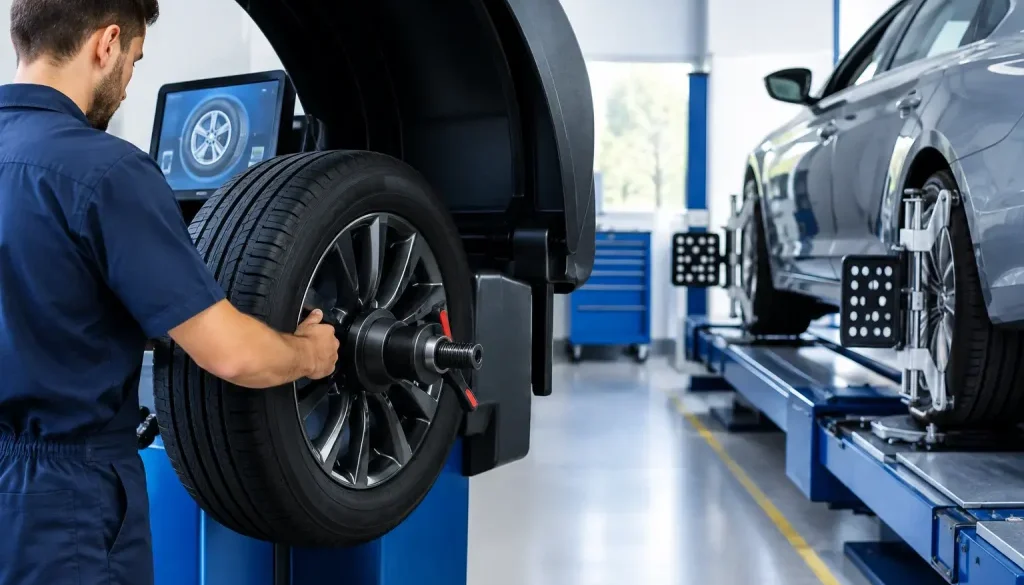
During a balancing service, the wheel and tyre assembly is checked on specialised equipment. Small weights are fitted in precise positions to counteract the imbalance, allowing the wheel to rotate smoothly. It is usually carried out when new tyres are fitted, but it may also be needed after a tyre repair or if a weight has come loose.
Wheel alignment is about direction and tyre contact. It involves measuring and adjusting the suspension and steering geometry so the wheels sit at the manufacturer’s specified angles. These measurements include toe, camber and caster. They determine whether your tyres track straight, how they turn and how evenly the tread contacts the road.
Alignment does not involve adding weights to the wheel, and balancing does not correct steering geometry. That is why treating a vibration with an alignment alone, or treating uneven tyre wear with balancing alone, may leave the underlying problem unresolved.
Signs Your Wheels May Need Balancing
A speed-related vibration is the most familiar sign of an imbalance. It may be mild around suburban speeds but become obvious at 80 km/h or higher. In many front-wheel cases, the steering wheel shakes. If the rear wheels are affected, you may instead feel a vibration through the seat or cabin floor.
Other clues can include an unusual humming sensation, tyres that develop uneven wear over time, or a vibration that appeared soon after tyre work. Hitting a pothole can also damage a wheel or disturb the tyre’s seating, which may alter how smoothly the assembly rotates.
Not every vibration is a balancing issue. A damaged tyre, bent wheel, worn suspension component or brake concern can create similar symptoms. For that reason, it is best not to assume the cause based on feel alone. A proper assessment helps avoid replacing parts or booking services your vehicle does not need.
Signs Your Vehicle May Need a Wheel Alignment
Misalignment often reveals itself in the way the car travels rather than through a vibration. Your vehicle may pull to one side, require regular steering correction on a level road, or have a steering wheel that sits off-centre when driving straight. These concerns deserve prompt attention, particularly if they develop suddenly.
Tyre wear is another strong indicator. Excessive wear on the inner or outer edge can point to an alignment angle that is out of specification. A feathered tread pattern, where one edge of each tread block feels sharper than the other, may also suggest incorrect toe settings.
Alignment can be affected by everyday driving. A hard pothole strike, clipping a kerb, driving over rough surfaces or fitting suspension components can all change wheel angles. Normal wear in steering and suspension parts can have the same effect. In Melbourne’s eastern suburbs, where commuting can mean a mix of arterial roads, local streets and changing road surfaces, a check is worthwhile whenever the car starts behaving differently.
It is also sensible to arrange an alignment check after replacing tyres, suspension or steering components. This protects the investment in your tyres and gives the technician an opportunity to check for related issues affecting the vehicle’s handling.
Why Both Services Matter for Tyres and Safety
Tyres are the only part of your car designed to maintain contact with the road. When they are balanced and aligned correctly, they can roll more smoothly, wear more evenly and give your steering and suspension the conditions they were designed to work in.
An out-of-balance wheel places repeated vibration through the tyre, wheel bearings, suspension and steering system. The immediate concern is often comfort, but persistent vibration should not be ignored. It can make longer drives tiring and may contribute to unnecessary wear.
Poor alignment can shorten tyre life surprisingly quickly, especially where toe is significantly out. It can also affect straight-line stability and steering response. On wet roads, unevenly worn tyres may not clear water as effectively as intended, which is one more reason to act early rather than wait until the tread is visibly worn.
There is a practical cost to delaying the issue too. A small alignment correction is generally preferable to reaching the point where tyres wear unevenly enough that they need replacing before their time. More importantly, a vehicle that tracks predictably gives drivers greater peace of mind when carrying children, commuting or travelling further afield.
When to Book a Check
There is no single kilometre interval that suits every vehicle. Tyre condition, road conditions, driving habits and the vehicle’s suspension design all play a part. Instead, pay attention to changes in how the car feels and include tyres, steering and suspension in regular servicing conversations.
Book an inspection if you notice steering wheel shake, a pull to either side, an off-centre steering wheel, new uneven tyre wear or a change after striking a pothole or kerb. It is also worth asking for a check when fitting new tyres. A technician can advise whether balancing, alignment or a broader inspection is appropriate.
If the car pulls only while braking, or the steering suddenly feels loose, do not treat it as a routine alignment symptom. Brakes, tyres, steering and suspension all need to work together, and those signs call for a timely professional assessment.
What Happens During a Professional Inspection
A reliable workshop starts by listening to the driver’s description of the concern. The road speed at which a vibration happens, whether it is felt through the steering wheel or seat, and whether the vehicle pulls under braking all help narrow down the likely cause.
The technician will inspect tyre condition and pressures, look for damage to wheels and tyres, and check relevant steering and suspension components. Balancing equipment can identify weight variation in a wheel and tyre assembly. Alignment equipment measures the vehicle’s existing wheel angles against the correct specifications before any adjustments are made.
This process matters because alignment settings cannot be trusted if worn or damaged components are allowing the wheels to move. Likewise, placing balancing weights on a wheel will not solve a tyre with internal damage. Clear diagnosis gives you a practical recommendation based on your vehicle, not a one-size-fits-all answer.
Looking After Your Wheels Between Visits
You do not need to diagnose alignment angles at home, but regular visual checks are useful. Look across the tyre tread for uneven wear, watch for bulges or cuts after a pothole strike, and take note of new steering or vibration symptoms. Keep tyres inflated to the vehicle manufacturer’s recommended pressure, checked when the tyres are cold.
Avoiding kerbs where possible and slowing down for rough road surfaces also helps protect tyres, wheels and suspension. If an impact cannot be avoided and the vehicle feels different afterwards, arranging an inspection early is the sensible next step.
For drivers in Ringwood and Melbourne’s eastern suburbs, Ringwood Auto Tech can assess tyre, wheel, steering and suspension concerns with the care you would expect from a local, family-owned workshop. The most useful time to book is when something feels different, before a minor vibration or handling change becomes unnecessary tyre wear. Your car should feel settled, predictable and comfortable every time you head out.