When You Need a Dual Clutch Transmission Specialist
A hesitation when pulling away, a shudder in traffic or a warning light on the dash can quickly turn a normal drive into a concern. A dual clutch transmission specialist understands what these symptoms may mean, how to test the system accurately and when your vehicle needs maintenance rather than a major repair.
Dual-clutch gearboxes are fitted to many modern European vehicles and appear under names including DSG, S-Tronic and DCT. They can deliver quick, efficient gear changes, but they are also sophisticated systems that rely on the gearbox, clutch packs, electronics, hydraulic controls and software all working together. When something feels different, getting the right diagnosis early can protect your vehicle’s reliability and your peace of mind.
What a dual clutch transmission specialist does
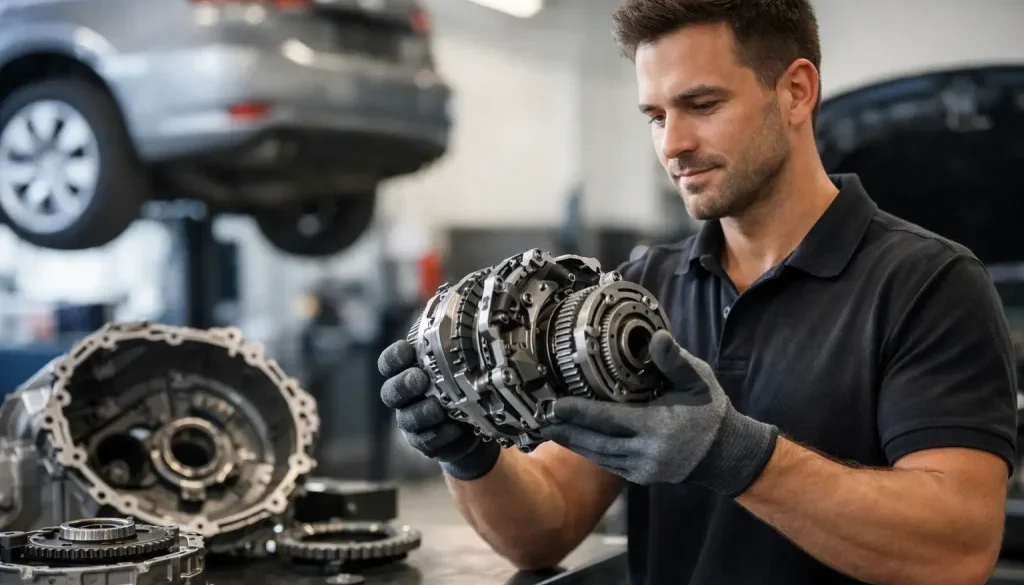
A dual-clutch gearbox uses two clutches to prepare the next gear while the current gear is engaged. This is why the change between gears can feel particularly quick. One clutch generally manages one set of gears and the other manages the alternate set, with a mechatronic unit coordinating the hydraulic and electronic control.
That design makes a dual-clutch transmission very different from a conventional automatic. A fault may be caused by worn clutch components, contaminated or ageing fluid where applicable, a sensor issue, a mechatronic concern, software calibration or an unrelated engine problem affecting how the vehicle drives. Replacing parts based on symptoms alone is not a sensible approach.
A specialist workshop uses advanced diagnostics alongside a proper road test and mechanical assessment. The goal is to establish what the vehicle is doing, why it is doing it and what work is genuinely required. Clear communication matters here. You should be able to understand the fault, the recommended repair path and what may happen if the issue is left unattended.
Signs your DSG or DCT needs attention
Some gearbox issues develop gradually, while others appear suddenly. A change in how your vehicle shifts is worth checking, especially if it is becoming more frequent or is accompanied by a warning message.
Common signs include:
- Shuddering, vibration or juddering when taking off
- Delayed engagement when selecting Drive or Reverse
- Harsh, jerky or inconsistent gear changes
- Engine revs rising without the expected acceleration
- A transmission warning light, fault message or reduced-performance mode
These signs do not automatically mean the gearbox needs to be rebuilt. For example, a rough shift can sometimes relate to a control fault or an adaptation issue, while a repeated shudder under the same driving conditions may point towards clutch wear. The vehicle model, gearbox type, service history and diagnostic results all influence the right next step.
If a warning light appears or the car loses drive, avoid continuing to force the vehicle through the symptom. Arranging a professional assessment can help prevent a smaller fault from causing further damage within the transmission.
Why accurate diagnosis comes first
Modern transmissions store valuable fault information, but a scan tool result is only one part of the picture. A fault code can identify an affected circuit or operating condition, yet it does not always confirm the root cause. That is where specialist experience makes a real difference.
A thorough assessment may include checking stored fault codes and live operating data, assessing shift behaviour during a controlled drive, inspecting for leaks or related mechanical concerns, and reviewing service records. The technician can then determine whether the issue is likely to be electrical, hydraulic, mechanical or a combination of factors.
This process also helps separate a gearbox concern from problems elsewhere in the vehicle. Engine misfires, battery voltage issues, worn engine mounts and driveline faults can all affect how a car feels on the road. Addressing the actual cause is better for the vehicle and avoids unnecessary work.
Servicing is protection, not an afterthought
Not every dual-clutch transmission has the same maintenance requirements. Some DSG and DCT units use fluid and filters that require scheduled replacement, while other designs have different service needs. Your vehicle handbook and manufacturer servicing information provide an important starting point, but a workshop can advise based on the specific gearbox fitted to your car.
For transmissions with a scheduled fluid and filter service, using the correct specification and following the required procedure is essential. Transmission fluid does more than lubricate moving parts. In many systems, it supports hydraulic operation, heat management and clutch control. The wrong fluid, an incorrect level or skipped maintenance can affect shift quality and component life.
Regular servicing is particularly valuable for vehicles that spend a lot of time in stop-start traffic, carry regular loads or travel through Melbourne’s changing temperatures. These conditions can place extra demand on the transmission, even when the vehicle is not being driven hard.
A specialist can also identify early signs of wear during routine maintenance. That gives you time to make an informed decision before a minor concern becomes more disruptive.
When repair or restoration may be needed
If testing confirms an internal or control-related fault, the recommended repair will depend on the condition of the transmission. A mechatronic unit may need repair or replacement when electronic or hydraulic control is compromised. Worn clutch packs may require replacement where take-off shudder, slipping or clutch-related faults are confirmed. In more extensive cases, a gearbox rebuild or DCT transmission restoration may be the most appropriate solution.
There is no one-size-fits-all answer. A low-kilometre vehicle with a clearly identified component fault may need a targeted repair. A vehicle with multiple internal issues, contamination or significant wear may require more comprehensive work. The important point is that recommendations should follow diagnosis, not assumptions.
After repairs, the transmission may require programming, adaptations or calibration procedures so the control system can operate correctly with the repaired components. This is another reason dual-clutch work belongs with technicians who have the equipment and knowledge for modern transmission systems.
Choosing the right workshop for your vehicle
A good dual clutch transmission specialist should be comfortable explaining technical issues in plain language. You do not need to know the difference between a clutch adaptation value and a hydraulic pressure reading to make a sound decision about your car. You do need a workshop that takes the time to explain what has been found and what it means for safe, reliable driving.
Look for a team experienced with DSG, S-Tronic and other automatic transmission systems, particularly if you own a European vehicle. It is also worth choosing a workshop that can support the vehicle beyond the immediate gearbox issue, as brakes, suspension, engine performance and general servicing all contribute to how dependable your car is day to day.
At Ringwood Auto Tech, we treat each and every car as though it were our own. For drivers in Ringwood and Melbourne’s eastern suburbs, that means practical advice, professional diagnostics and transmission care focused on the long-term condition of the vehicle. Courtesy car availability can also make it easier to keep work, family and daily commitments moving while your vehicle is being assessed or repaired.
Do not ignore changes in driving feel
Many drivers notice the first signs of a transmission issue but wait because the vehicle still gets from A to B. Sometimes that is reasonable, particularly when a symptom is isolated and does not worsen. But recurring shuddering, delayed gear selection, warning lights or a clear deterioration in shift quality deserve prompt attention.
Keeping a brief note of when the issue occurs can be helpful. Consider whether it happens only when the vehicle is cold, after a longer drive, in slow traffic, when reversing or under acceleration. Those details can assist the technician during diagnosis and may reduce the time needed to reproduce the concern.
Your gearbox does not need to feel perfect every second to be healthy, and some shift characteristics are normal for particular models. What matters is a noticeable change from the way your vehicle usually behaves. Having that change checked by the right specialist is a practical way to look after your car, protect its reliability and drive with greater confidence.