
DSG Clutch Replacement Signs You Should Not Ignore
A hesitant take-off at the lights, a shudder while parking or a warning message on the dash can quickly turn an ordinary drive into a concern. A DSG clutch replacement may be required when the clutch pack inside a dual-clutch gearbox can no longer engage gears smoothly and reliably. The key is getting the cause confirmed early, rather than assuming every shift problem means the gearbox needs major work.
DSG and other dual-clutch transmissions are fitted to many modern European vehicles, including models using S-Tronic and DCT systems. They offer quick gear changes and efficient performance, but they are complex assemblies that need accurate diagnosis and the right repair approach. For drivers in Ringwood and Melbourne’s eastern suburbs, a transmission specialist can identify whether the concern is clutch wear, a mechatronic fault, an adaptation issue or another mechanical problem.
What does a DSG clutch do?
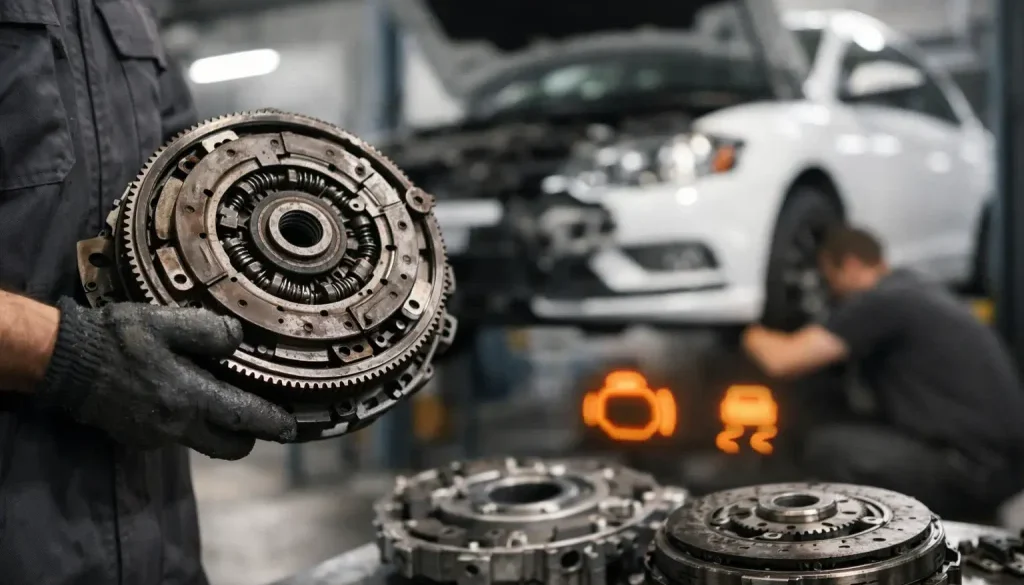
Unlike a conventional automatic transmission, a DSG uses two clutches. One clutch manages one set of gears while the other prepares the next gear in advance. This is what allows the transmission to change gears quickly, with little interruption to power delivery.
Depending on the vehicle and transmission type, the clutch system may be a dry-clutch or wet-clutch design. Wet-clutch systems operate with transmission fluid to help cool and lubricate components. Dry-clutch systems do not use fluid around the clutch pack in the same way. Both designs have different service requirements, wear patterns and diagnostic considerations.
The clutch pack is expected to wear over time, just as it does in a manual vehicle. However, the symptoms can be less obvious because engagement and shifting are controlled electronically and hydraulically. A fault in the control system can feel very similar to a worn clutch, which is why a proper assessment matters before repair work is recommended.
Signs a DSG clutch replacement may be needed
Some symptoms only appear occasionally at first. They may be more noticeable in stop-start traffic, while reversing, when climbing a hill or after the vehicle has warmed up. If your vehicle shows one or more of the following signs, it is sensible to arrange a professional inspection.
- Shuddering, juddering or vibration when taking off
- Delayed engagement when selecting drive or reverse
- Harsh, erratic or hesitant gear changes
- Engine revs rising without the vehicle accelerating as expected
- A noticeable clunk when changing gears or coming to a stop
- Transmission warning lights or gearbox fault messages
- Reduced performance or the transmission entering a limited operating mode
These signs do not automatically confirm clutch failure. For example, rough shifting can also be caused by a mechatronic unit issue, deteriorated transmission fluid in systems that use it, sensor faults, software concerns or worn engine and transmission mounts. Treating the symptom without identifying the source can lead to unnecessary work and leave the original issue unresolved.
Why low-speed driving often reveals the issue
A DSG clutch works hardest during low-speed manoeuvres because it is repeatedly engaging and disengaging. Creeping through heavy traffic, reversing into a driveway and easing into a parking space all demand precise clutch control.
That does not mean these everyday tasks damage a healthy transmission. It does mean existing wear or a control fault can become more apparent in these conditions. If the vehicle consistently shudders when parking or takes longer than usual to move after selecting a gear, do not dismiss it as normal behaviour.
How DSG clutch problems are diagnosed
A dependable diagnosis begins with listening to the driver. Details such as when the issue occurs, whether the car is cold or warm, and whether warning lights have appeared can provide valuable clues. A technician then carries out a road test where appropriate, checks for fault codes and reviews live transmission data.
The diagnostic process may include checking clutch adaptation values, engagement behaviour, temperature information and the operation of the mechatronic system. On applicable wet-clutch transmissions, the condition and service history of the gearbox fluid and filter are also relevant. This information helps distinguish normal clutch wear from a fault in the electronic or hydraulic controls.
In some cases, a software update or adaptation procedure may resolve a drivability concern. In others, the clutch pack has reached the end of its serviceable life and replacement is the appropriate repair. If a mechatronic fault is contributing to the issue, that should be addressed as part of the repair plan rather than overlooked.
The benefit of specialist diagnosis is clarity. You should understand what has been found, why it affects the way the vehicle drives and what work is recommended to restore safe, consistent operation.
What happens during a DSG clutch replacement?
A DSG clutch replacement is a specialist transmission repair, not a general maintenance task. Accessing the clutch assembly requires removal and careful handling of transmission components, followed by precise installation, setup and electronic calibration.
Once the relevant parts are inspected, the worn clutch assembly is replaced where confirmed necessary. The technician also considers related components that may affect the repair outcome. The exact scope depends on the transmission design, the vehicle’s fault findings and the condition of associated parts.
After reassembly, the transmission must be filled or serviced correctly where required and set up using suitable diagnostic equipment. Clutch adaptations and basic settings allow the control unit to recognise the new clutch characteristics. A final road test and fault check help confirm that engagement, gear changes and overall drivability are operating as intended.
This final setup is not an optional extra. A new clutch pack needs to work in partnership with the gearbox’s control system. Without correct calibration, even quality replacement components may not deliver the smooth operation the vehicle is designed to provide.
Can you keep driving with DSG clutch symptoms?
It depends on the symptom and its severity, but continuing to drive with clear transmission concerns is rarely a good long-term decision. Mild shuddering may progress gradually, while severe slipping, warning messages or an inability to select gears can leave the vehicle unreliable when you need it most.
If the transmission is slipping, banging into gear, losing drive, displaying a gearbox warning or behaving unpredictably in traffic, arrange an assessment promptly. These concerns can affect vehicle control and may place extra strain on related components.
Early inspection also gives you more options. A concern identified at the first sign of irregular shifting may be addressed before it develops into a broader transmission issue. The right response is based on diagnosis, not guesswork.
Looking after your DSG after repairs
A replaced clutch is only one part of the transmission’s ongoing care. Follow the manufacturer’s servicing requirements for your particular gearbox, especially where DSG fluid and filter changes apply. Keeping up with scheduled maintenance supports cooling, lubrication and the reliable operation of internal components.
Driving style also has an effect over time. Avoid holding the vehicle on an incline using the accelerator where possible, and use the brake to keep it stationary. In slow traffic, allow space to move smoothly instead of repeatedly surging forward. These are sensible habits that reduce unnecessary clutch engagement without changing how you use your car day to day.
Most importantly, pay attention to changes. A new vibration, delayed response or warning light is useful information, not something to wait out. Modern transmissions are sophisticated, and accurate fault finding is far more valuable than assuming the same symptom has the same cause in every vehicle.
Specialist care for dual-clutch gearboxes
DSG systems reward careful, informed servicing. Whether the answer is a clutch replacement, mechatronic repair, fluid service or electronic calibration, the work should be guided by the vehicle’s actual condition and transmission data.
At Ringwood Auto Tech, our approach is to explain the findings clearly and treat each vehicle as though it were our own. If your DSG is shuddering, hesitating or showing a warning, arranging a professional assessment can help protect the reliability and peace of mind you rely on every time you head out.