9 Best Transmission Warning Signs to Act On
A hesitation when pulling away from the lights can be easy to dismiss as a one-off. But it can also be one of the best transmission warning signs that your vehicle needs attention. Your transmission manages how power reaches the wheels, so changes in shifting, response or noise deserve a proper assessment before they affect reliability, safety or your daily routine.
Modern automatic, DSG, dual-clutch and S-Tronic transmissions are sophisticated systems. A warning light does not always mean major repairs are required, and a minor symptom should not be ignored simply because the car is still driving. Accurate diagnosis is what separates sensible preventative maintenance from unnecessary guesswork.
Best transmission warning signs to watch for
1. Delayed engagement when selecting Drive or Reverse
A healthy automatic transmission should engage smoothly and promptly when you select Drive or Reverse. If there is a noticeable pause before the vehicle starts moving, especially after it has been parked overnight, it may point to fluid pressure, control-system or internal wear concerns.
This symptom can occasionally be more noticeable in cold weather, but it should not become a normal part of driving the car. If the delay is increasing, or the vehicle engages with a thump after the pause, book an inspection rather than waiting for it to worsen.
2. Rough, harsh or unpredictable gear changes
A firm shift is not always a fault. Some vehicles are programmed to shift differently depending on temperature, driving mode, load and throttle position. The concern is a clear change from the way your vehicle normally behaves.
Jerking, banging into gear, surging between shifts or an unexpected downshift can indicate an issue with transmission fluid condition, sensors, solenoids, adaptation settings or the mechatronic unit. In DSG and dual-clutch vehicles, poor shift quality can also relate to clutch operation or electronic control concerns. A specialist diagnostic assessment can identify the cause without relying on assumptions.
3. Shuddering or vibration under acceleration
A shudder can feel like driving across a corrugated road, a brief vibration through the seat or steering wheel, or a repeated judder as the car changes gear. It may happen when accelerating gently, climbing a hill or cruising at a steady speed.
Because tyres, wheels, engine mounts and driveline components can create similar sensations, the transmission should not be blamed automatically. Still, a shudder that appears during a gear change or at a particular speed is worth checking. Catching the cause early can help protect related components and restore a smoother drive.
4. Slipping gears or rising engine revs
When the engine revs rise but the vehicle does not accelerate as expected, the transmission may be slipping. You might notice it when joining a freeway, overtaking or travelling uphill. In some cases, the vehicle may feel as though it has briefly dropped out of gear before catching again.
Slipping is a symptom to take seriously. Continued driving can create extra heat and place further stress on internal clutches or other transmission components. If it happens more than once, avoid heavy acceleration and arrange professional advice as soon as practical.
Warning lights and messages are there for a reason
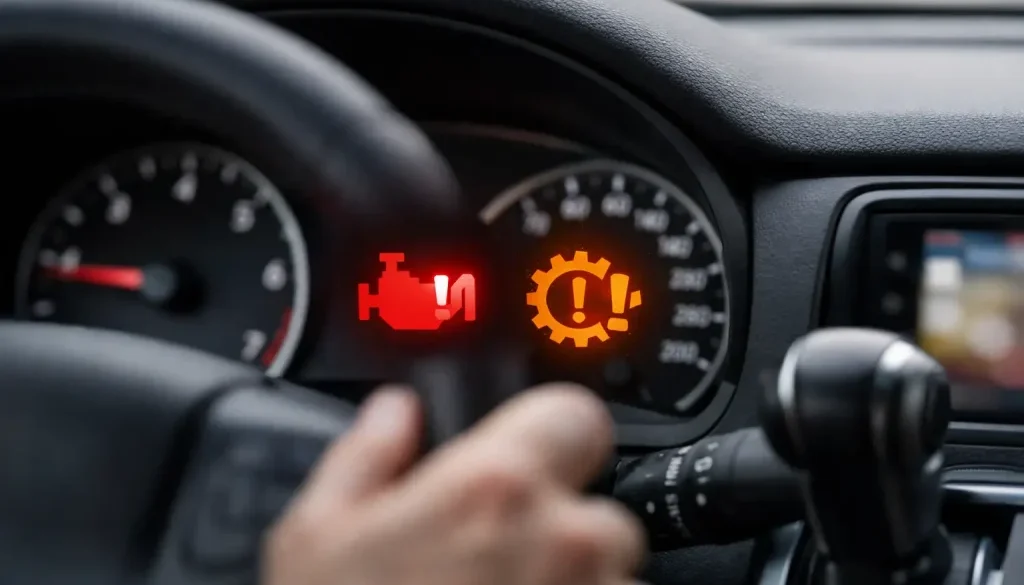
5. A transmission warning light or gearbox message
A dashboard warning light, such as a gearbox fault message, flashing gear display or check engine light, gives the vehicle’s control system a reason to record a fault. The car may still feel mostly normal, but stored fault codes and live data can reveal issues that are not obvious from the driver’s seat.
Some cars enter a reduced-power or limp-home mode to limit further damage. If your vehicle is stuck in one gear, has limited acceleration or displays a flashing warning, it is sensible to stop driving when safe and seek professional guidance. Continuing to use it as normal can turn a manageable fault into a larger repair.
6. Burning smells or signs of a fluid leak
Transmission fluid helps lubricate, cool and operate the transmission. A burning smell can indicate overheated fluid, while reddish-brown or dark fluid beneath the vehicle may suggest a leak. The exact colour and location vary between vehicles, and not every transmission fluid is red, so visual checks alone are not conclusive.
A leak should be assessed promptly because low fluid levels can affect pressure, cooling and shift quality. It is also wise to mention any recent warning messages, towing, heavy loads or overheating, as these details help technicians build a clearer picture of what is happening.
7. Whining, humming, clunking or unusual noises
Your vehicle makes plenty of normal mechanical sounds, particularly at low speed or when changing direction. What matters is a new noise, a noise that follows engine speed or road speed, or one that occurs specifically while selecting a gear or changing gears.
A whine may come from the transmission, but it can also come from bearings, the differential or other driveline parts. A clunk when selecting Drive or Reverse may be related to driveline movement rather than the gearbox itself. This is why a road test and professional inspection are more valuable than trying to diagnose a sound from a description alone.
Changes in driving behaviour should not be ignored
8. Difficulty selecting gears or a gear display that does not match
If the gear selector feels unusual, the vehicle will not select a gear, or the dashboard display does not reflect the selected position, do not force it. Electronic selectors, automatic transmissions and dual-clutch systems rely on multiple sensors and control modules working together.
Intermittent faults can be frustrating because they may disappear before the car reaches the workshop. If it is safe to do so, note when it happens, whether the engine was cold or warm, and any message shown on the dashboard. A photo of the warning message can also be helpful for diagnosis.
9. Loss of fuel economy alongside poor shifting
Fuel use naturally changes with traffic, short trips, tyre pressures and driving habits. However, if poorer fuel economy arrives with flaring revs, delayed shifts or frequent hunting between gears, it may be linked to the way the transmission is operating.
The engine and transmission work as a team. A fault in either system can affect the other, so a thorough check may include diagnostic scanning and an assessment of the vehicle’s overall drivability. The goal is to identify the underlying cause, not simply clear a warning light and hope it stays away.
When to arrange a transmission inspection
You do not need to wait until the vehicle cannot move. Arrange an inspection when a symptom is repeatable, becoming more frequent or accompanied by a warning light, leak, burning smell or harsh engagement. The sooner a concern is assessed, the more options there may be for maintenance or targeted repair.
For DSG, DCT and S-Tronic vehicles, scheduled servicing is particularly important. These systems have specific fluid, filter and servicing requirements that vary by model and transmission type. Using the correct service approach and diagnostic equipment matters just as much as recognising the symptoms.
At Ringwood Auto Tech, our team treats each and every car as though it were our own. For drivers in Ringwood and Melbourne’s eastern suburbs, a professional transmission assessment can provide clear answers, practical recommendations and greater peace of mind before a small change in the way your car drives becomes a bigger interruption to your week.
If something feels different, trust that instinct. A prompt check is a sensible way to look after your vehicle, your passengers and the kilometres ahead.


Mechatronic Unit Repair Review: What Matters - Ringwood Auto Tech
September 15, 2026 @ 2:02 pm
[…] changes, shuddering when moving away, loss of power through the gears, a flashing gear indicator, transmission warning messages or the vehicle entering reduced-performance […]
European Car Diagnostics for Clearer Answers - Ringwood Auto Tech
October 3, 2026 @ 1:32 pm
[…] Transmission symptoms deserve timely attention, especially in DSG and dual-clutch vehicles. Delayed engagement when selecting drive or reverse, shuddering during take-off, harsh or erratic shifts, slipping, transmission warning lights and unusual noises are all reasons to arrange an inspection. These symptoms do not automatically mean the gearbox needs major repair, but they do require accurate assessment before the issue progresses. […]