Choosing a DSG Gearbox Specialist
That slight hesitation pulling away from the lights, the hard shift when the gearbox is cold, or the warning light that appears without much notice – these are the moments when finding the right dsg gearbox specialist matters. With modern dual-clutch transmissions, a general guess is rarely enough. Accurate diagnosis, the right service procedure and experienced repair work can be the difference between a straightforward fix and a very expensive one.
DSG gearboxes are designed to deliver fast, efficient gear changes and a more responsive drive, especially in many European vehicles. When they are performing properly, they feel sharp and smooth. When something starts to go wrong, the symptoms can range from subtle drivability issues through to serious transmission faults that affect reliability and safety.
Why a DSG gearbox specialist makes a difference
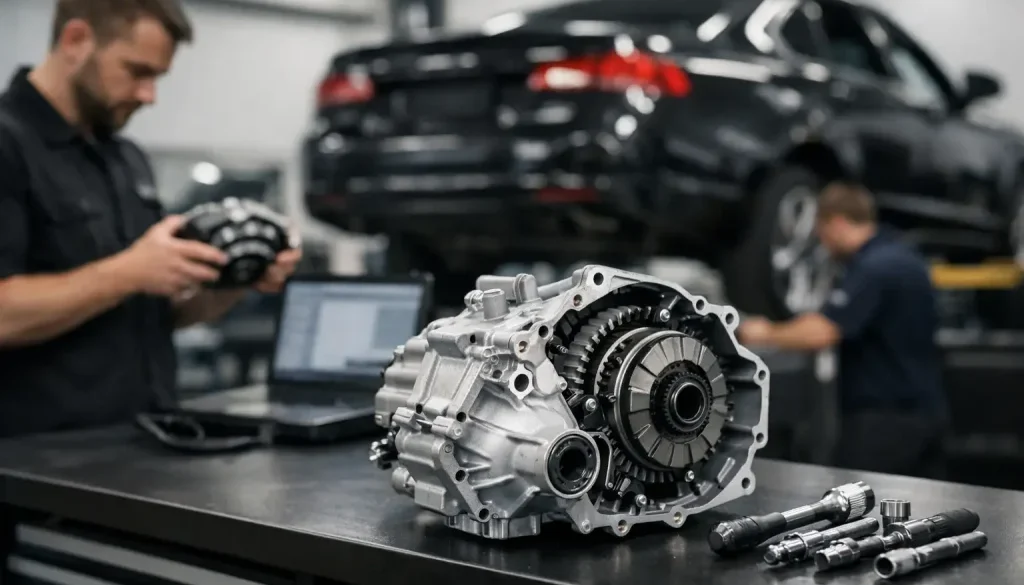
A DSG transmission is not the same as a traditional automatic, and it should not be treated like one. These systems use a combination of mechanical components, electronics, clutch packs and a mechatronic unit to control gear selection and shift timing. That complexity is exactly why specialist knowledge is so important.
A workshop that understands DSG systems knows what to look for beyond the obvious fault code. A scan result on its own does not always tell the full story. The real issue may involve fluid condition, clutch wear, software behaviour, sensor faults or internal mechatronic problems. Proper testing takes experience, not just equipment.
That matters for owners because replacing the wrong part is costly. It can also leave the original fault unresolved. A specialist approach helps narrow the cause properly, explain the repair clearly and recommend work that suits the condition of the vehicle rather than a one-size-fits-all answer.
Common signs you may need a DSG gearbox specialist
Some gearbox problems arrive suddenly, but many start with small changes in how the vehicle feels. Drivers often notice jerking at low speed, hesitation when accelerating, harsh upshifts or downshifts, shuddering during take-off, slipping between gears or a transmission warning light on the dash.
In some cases, the vehicle may drop into limp mode or refuse to select gears properly. In others, the issue is intermittent, which can be even more frustrating because it seems to disappear before a booking. That does not mean it should be ignored. Early diagnosis often gives you more options and may help prevent extra damage.
Not every symptom points to the same repair. A rough shift could be related to software adaptation, contaminated fluid, clutch wear or mechatronic faults. That is why the testing process matters just as much as the repair itself.
Problems that are often misdiagnosed
DSG issues can sometimes be confused with engine performance faults, driveline vibration or even battery and electrical problems. A vehicle with poor throttle response or irregular sensor readings may feel like it has a gearbox problem when the root cause sits elsewhere. The reverse can also happen, where a real transmission fault is dismissed as a minor drivability concern.
A workshop with strong transmission experience will look at the whole vehicle, not just the gearbox in isolation. That broader view helps protect owners from unnecessary spending and gives better confidence in the repair plan.
Servicing matters more than many drivers realise
One of the biggest mistakes with DSG gearboxes is assuming they are sealed for life or only need attention when something goes wrong. In reality, many DSG systems rely on scheduled fluid and filter servicing to protect internal components and maintain shift quality.
Transmission fluid does more than lubricate. It helps manage heat, supports hydraulic operation and carries contaminants away from sensitive parts. Over time, fluid degrades. Filters also collect debris and need replacement at the correct intervals. Skip that maintenance and wear can accelerate.
The exact service need depends on the gearbox type and the manufacturer requirements. Some wet-clutch DSG systems require regular fluid and filter changes, while dry-clutch designs follow different maintenance patterns. This is another reason a specialist is valuable – the right service depends on the exact transmission fitted to the vehicle, not just the badge on the bonnet.
Why the correct procedure matters
A DSG service is not simply a drain and refill. Correct fluid specification, fluid level setting, temperature monitoring and adaptation procedures can all play a role. If the process is rushed or carried out incorrectly, the gearbox may not perform as it should afterwards.
That is where workshop standards count. Careful servicing protects the gearbox, supports smoother operation and gives owners peace of mind that the job has been done properly.
Repair or replacement – it depends on the fault
When a DSG gearbox develops a serious issue, many drivers worry that a full replacement is the only option. Sometimes that is the case, but often it is not. A quality diagnosis may show that the problem is isolated to a mechatronic unit, clutch assembly, sensor, wiring issue or service-related condition.
This is where practical advice matters. The best repair path depends on the age of the vehicle, the severity of the fault, service history and the owner’s long-term plans. For a newer vehicle in otherwise excellent condition, a major repair may make complete sense. For an older vehicle, the decision may need a more careful cost-benefit discussion.
A good specialist will be upfront about those trade-offs. They should explain what has failed, what the repair involves and what level of confidence comes with each option. Customers do not need technical jargon for the sake of it. They need honest advice they can use.
What to look for in a DSG gearbox specialist
If you are comparing workshops, look beyond broad claims about general servicing. DSG and dual-clutch transmission work calls for specific experience, proper diagnostic capability and confidence with common transmission faults found in modern vehicles.
It also helps to choose a workshop that communicates clearly. Transmission problems can be stressful because they affect how safely and reliably you can use your car every day. Whether you rely on your vehicle for commuting, school drop-offs or business use, you want straight answers, realistic timeframes and no guesswork where it can be avoided.
A dependable specialist should be able to explain symptoms in plain language, outline likely causes, confirm the testing process and keep you updated as the job progresses. That customer care matters just as much as technical skill.
Questions worth asking
Before booking, it is reasonable to ask whether the workshop handles DSG servicing, mechatronic repairs, clutch replacement and advanced transmission diagnostics on a regular basis. You can also ask how they approach fault finding and whether they assess related systems that may influence gearbox behaviour.
These are not trick questions. They simply help you understand whether the workshop is set up for the type of issue your vehicle has.
Why local trust still matters
For many drivers in Ringwood and Melbourne’s eastern suburbs, convenience is part of the decision as well. Transmission work can take more time than a routine service, and being without your car is rarely easy. A local workshop with strong communication, practical support and a focus on long-term relationships makes the process much easier to manage.
That is one reason many vehicle owners look for a specialist who combines technical capability with a genuine customer-first approach. Ringwood Auto Tech is known for exactly that balance – family-owned service values, professional workshop standards and the kind of honest advice that helps people feel looked after, not pressured.
When a vehicle has a transmission concern, drivers want to know their car is being treated with care and their time is being respected. They also want confidence that the workshop is aiming to fix the actual problem, not just clear the symptoms.
Don’t wait for a small issue to become a major one
DSG faults rarely improve by being ignored. A minor hesitation, shudder or warning light may not leave you stranded today, but it can be an early sign that something needs attention. Acting early often means clearer diagnosis, better repair options and less risk of a larger failure later on.
If your vehicle is showing signs of transmission trouble, the safest next step is to have it checked by a dsg gearbox specialist who understands how these systems work in the real world. The right advice at the right time can save money, reduce stress and help keep your vehicle reliable for the road ahead.


Automatic Transmission Repair: Signs to Act - Ringwood Auto Tech
July 11, 2026 @ 6:02 pm
[…] DSG, DCT and S-Tronic gearboxes use two clutches to pre-select gears for fast, efficient shifts. Their operation relies heavily on the mechatronic unit, which brings electronic and hydraulic controls together. A fault may present as harsh changes, missed shifts, transmission warnings, loss of drive or the vehicle entering a reduced-performance mode. […]
What Is Included in a Log Book Car Service? - Ringwood Auto Tech
July 22, 2026 @ 5:02 pm
[…] vehicles with automatic, DSG, DCT or S-Tronic transmissions, scheduled transmission servicing deserves particular attention. These systems often require the […]
DSG Mechatronic Unit Repair Signs to Act On - Ringwood Auto Tech
July 25, 2026 @ 12:02 pm
[…] should make the process clearer, not more confusing. Look for technicians with experience in DSG, S-Tronic and dual-clutch transmissions, along with the diagnostic capability to investigate electronic and mechanical causes […]