

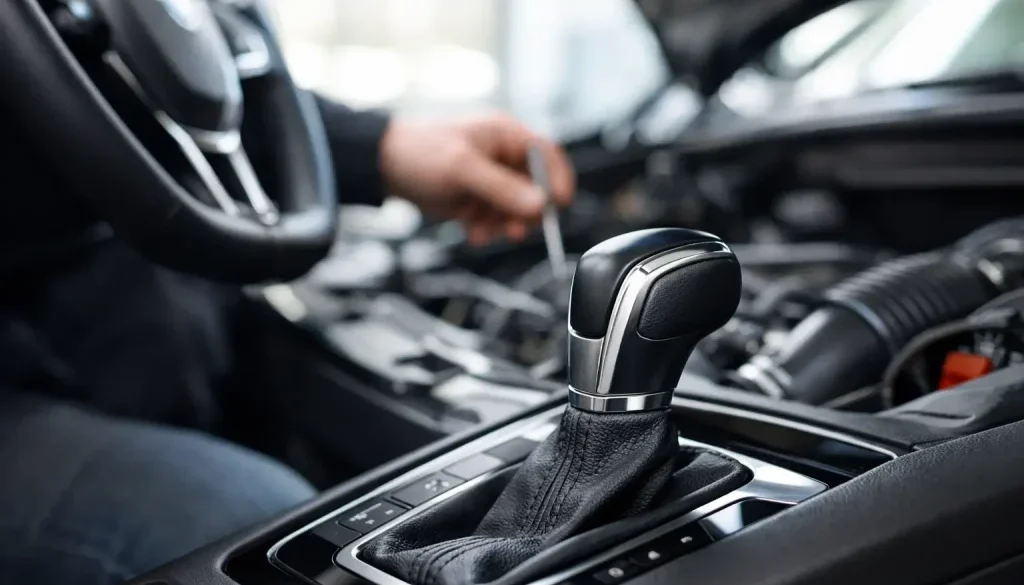
How to Maintain DSG for Smoother Driving
A DSG can make everyday driving feel quick, smooth and effortless, but it is not a conventional automatic gearbox. Knowing how to maintain DSG systems helps protect one of your vehicle’s most sophisticated components, particularly if your car spends its week in Melbourne traffic, on school runs or commuting through the eastern suburbs.
DSG stands for Direct Shift Gearbox. It is a dual-clutch transmission that pre-selects the next gear, allowing fast changes without the familiar pause of many traditional automatics. Volkswagen Group vehicles may use the name DSG, while some Audi models use S tronic. The principle is similar: two clutches, electronic control and precise mechanical parts working together.
That performance comes with a responsibility to service the transmission correctly and respond early when the car does not feel right. A few sensible habits can reduce unnecessary clutch heat and help your technician spot developing issues before they become major repairs.
How to maintain DSG with the right service plan
The most useful maintenance step is following the transmission service schedule that applies to your exact vehicle, rather than relying on a one-size-fits-all interval. DSG units differ across makes, models and years. Some use wet clutches and require specified transmission fluid and filter changes at scheduled intervals. Others use dry clutches and have different servicing requirements.
The correct fluid is not simply a lubricant. In applicable DSG systems, it contributes to cooling, hydraulic operation and the controlled movement of internal components. As fluid ages, contamination and reduced performance can affect how consistently the transmission operates. A professional DSG service will consider the transmission type, service history, manufacturer requirements and the condition of the vehicle as a whole.
If you have bought a used European vehicle and the DSG service history is unclear, do not assume it has been completed. Ask a transmission specialist to review the vehicle records and assess the right next step. Catching up on appropriate servicing can provide much-needed peace of mind, but the recommendation should be based on the vehicle rather than guesswork.
It is also worth mentioning how you use the car. Regular short trips, heavy stop-start traffic, steep driveways, towing within the vehicle’s approved capacity and high temperatures can all place additional demands on a transmission. These conditions do not mean a fault is inevitable, but they make accurate servicing and timely inspections more valuable.
Drive in a way that looks after the clutches
A DSG is designed to be driven, so there is no need to be overly cautious every time you get behind the wheel. However, dual-clutch systems can be less forgiving of habits that create heat and prolonged clutch slip at low speed.
In slow traffic, allow a sensible gap rather than repeatedly inching forward and stopping every few seconds. Use the brake to hold the car stationary instead of balancing it on the accelerator on a hill. This is particularly relevant in car parks, drive-through queues and congested peak-hour traffic, where the transmission may otherwise spend extended periods managing very low-speed clutch engagement.
When parking, make deliberate gear selections and come to a complete stop before changing between Drive and Reverse. Avoid selecting a direction while the car is still rolling the other way. It is a simple habit that reduces shock through the drivetrain and is good practice for any automatic vehicle.
For normal traffic lights, hold the vehicle on the brake as intended. Constantly shifting between Drive and Neutral is unlikely to be helpful and can become an unnecessary distraction. If your vehicle handbook gives specific guidance for lengthy stops, follow that advice.
If your car has a manual or sport mode, use it sensibly. These modes can be useful when road conditions call for better engine braking or more responsive gear selection, but continually driving at high revs without a reason adds heat and wear throughout the driveline. Smooth, considered driving is usually the best approach.
Pay attention to changes in behaviour
DSG issues do not always begin with a warning light. A small change in how the car moves can be the first sign that it needs attention. Drivers often notice a hesitation when moving off, a shudder during low-speed manoeuvres, harsh or delayed gear changes, unexpected rev flare, vibration, or a message on the dashboard.
A single awkward shift does not automatically mean the gearbox has failed. Transmission operation can be affected by driving conditions, battery voltage, engine performance and software calibration, as well as internal transmission components. The important point is to notice a repeated pattern and arrange an inspection rather than waiting for the concern to become more severe.
Burning smells, fluid leaks, a flashing gear indicator, the car entering a reduced-performance mode or an inability to select gears deserve prompt professional assessment. Continuing to drive with serious symptoms can increase the risk of further damage and may leave you without reliable drive when you need it most.
Why a proper diagnosis matters
Modern DSG transmissions rely on mechanical parts, clutch assemblies, sensors, control modules and a mechatronic unit that manages hydraulic and electronic functions. Because these systems work together, similar symptoms can have different causes.
A quality diagnosis is more than reading a fault code and replacing a part. It involves checking the vehicle’s reported faults, service history, operating behaviour and relevant system data, then confirming what the results mean. This avoids unnecessary repairs and gives you a clearer explanation of the condition of your vehicle.
Battery health also matters more than many owners realise. Modern vehicles are sensitive to low voltage, and poor battery performance can contribute to warning messages or irregular electronic behaviour. Keeping up with general servicing, battery checks and engine maintenance supports the entire vehicle, including its transmission systems.
Do not overlook cooling, tyres and general servicing
Your DSG does not operate in isolation. Engine cooling faults can raise under-bonnet temperatures, while an engine that runs poorly may make gear changes feel less consistent. Addressing general mechanical issues early helps prevent a transmission concern from being confused with another fault.
Tyres should be maintained at the recommended pressures and replaced as appropriate for wear and condition. Tyres with mismatched rolling diameters or poor grip can affect how the vehicle behaves under load, especially in wet conditions. Wheel alignment and suspension condition also influence drivability, even though they are not direct DSG components.
Keep the vehicle’s log book servicing up to date and tell your technician about any changes you have noticed, even if they seem minor. Details such as whether the issue occurs cold, after a long drive, on hills or only in slow traffic can make a real difference to diagnosis.
Choose DSG servicing that suits your vehicle
A DSG service is specialised work. It requires the correct specification fluids where applicable, suitable diagnostic equipment and technicians who understand the differences between dual-clutch transmission designs. Generic advice or incorrect servicing procedures can create more problems than they solve.
For drivers in Ringwood and Melbourne’s eastern suburbs, Ringwood Auto Tech provides professional DSG servicing, diagnostics and repair support for European and other modern vehicles. Our team takes the time to explain what we find, what your vehicle needs now and what can be monitored, so you can make an informed decision without unnecessary confusion.
If your transmission is operating normally, scheduled maintenance is the practical way to protect its reliability. If it is showing warning signs, booking an assessment early gives you the best chance of addressing the cause before it affects your daily routine. Looking after a DSG is not about changing your life around the car – it is about giving a complex transmission the informed care it deserves.