
ECU Remapping: Is It Right for Your Vehicle?
A vehicle that feels hesitant when joining EastLink, struggles under load, or has an awkward flat spot in its power delivery can be frustrating to live with. ECU remapping can address some of these concerns by recalibrating how the engine responds, but it is not a one-size-fits-all upgrade. The right result depends on the vehicle, its condition, how it is driven and whether its supporting systems are ready for the change.
For everyday drivers, the goal should not simply be chasing the biggest possible power figure. A well-considered remap should support smoother drivability, predictable performance and long-term reliability. That starts with an honest assessment before any changes are made.
What ECU remapping actually changes
Your vehicle’s engine control unit, usually called the ECU, is the computer that manages key engine functions. It uses programmed maps to determine variables such as fuel delivery, boost pressure in turbocharged engines, ignition timing, throttle response and torque limits.
ECU remapping involves professionally revising selected calibration settings within that software. Manufacturers create factory calibrations to suit a broad range of climates, fuel qualities, markets, driving styles and ownership conditions. As a result, some vehicles have scope for a carefully tailored adjustment, particularly turbocharged petrol and diesel models.
The experience behind the wheel can matter more than peak output. Depending on the vehicle, a sensible calibration may improve low-to-mid-range torque, reduce lag, make overtaking feel more confident or provide a more consistent throttle response. For a driver who regularly carries family, equipment or work loads, stronger usable torque can be more valuable than a headline figure.
Why the vehicle assessment comes first
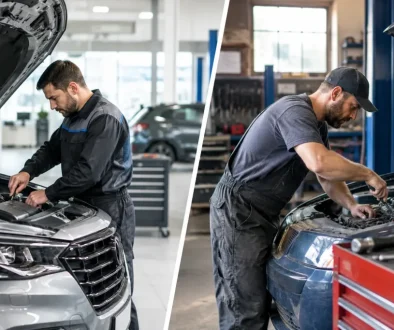
A remap cannot repair a mechanical fault. In fact, asking an engine or transmission to produce more torque can expose an existing issue that was already developing. That is why professional diagnostics and a general vehicle health check are essential before considering ECU remapping.
Technicians should look for fault codes, boost leaks, sensor concerns, cooling-system issues, fuel-system performance and signs of excessive wear. The engine oil service history, correct oil specification, air intake condition and current maintenance requirements all matter. A vehicle with warning lights, rough running, poor fuel economy, overheating concerns or a known mechanical issue should be repaired first.
This is particularly relevant for vehicles that have travelled high kilometres or have missed scheduled servicing. A remap may be appropriate after the vehicle is brought back to sound mechanical condition, but it should never be used as a shortcut around proper diagnosis.
Turbocharged engines and diesel vehicles
Turbocharged engines often respond well to calibration changes because boost and fuelling can be adjusted within appropriate limits. Diesel vehicles can also deliver noticeably stronger pulling power after a suitable remap. However, higher cylinder pressure and torque place additional demand on components including the turbocharger, cooling system, clutch or transmission, driveshafts and tyres.
The quality of the calibration matters. Aggressive settings may create an impressive initial sensation, yet can reduce the safety margin that helps a vehicle cope with hot Melbourne summers, hills, stop-start traffic and regular load carrying. A dependable approach considers the entire vehicle rather than one number on a screen.
Transmission health deserves equal attention
Extra engine torque does not stop at the engine. It travels through the gearbox, clutch packs, torque converter, driveline and differential. For owners of DSG, S-Tronic and other dual-clutch or automatic vehicles, this makes transmission condition a central part of the conversation.
Modern automatic transmissions are sophisticated systems with their own control modules, fluid requirements and torque-management strategies. If a gearbox is already showing delayed engagement, shuddering, harsh shifts, slipping, warning messages or irregular behaviour, it needs accurate diagnosis before an engine remap is considered. Increasing torque while these symptoms are present is unlikely to be a sensible decision.
A properly maintained transmission is better placed to handle the vehicle as intended. Depending on the make, model and service history, this may include a transmission fluid and filter service, software assessment or more detailed diagnostic work. At Ringwood Auto Tech, we treat each vehicle as though it were our own, which means being clear when maintenance or repairs should come before performance modifications.
Engine and transmission software must work together
Some vehicles may benefit from considering engine and transmission calibration as part of the same overall plan. The reason is straightforward: the transmission needs to manage the torque the engine produces. Shift behaviour, torque limits and clutch protection strategies can influence how the vehicle feels and how consistently it performs.
That does not mean every vehicle needs transmission software changes. The correct approach depends on the specific drivetrain, the condition of the gearbox and the driver’s priorities. For many daily drivers, keeping the transmission’s protective strategies intact and focusing on a conservative engine calibration is the more appropriate path.
The benefits and trade-offs of ECU remapping
When performed for the right vehicle and purpose, remapping can make a car feel more responsive and easier to drive. A diesel four-wheel drive or ute may pull more confidently with a load. A turbocharged European vehicle may feel less restrained through the middle of the rev range. Some drivers also see improved fuel efficiency under steady driving conditions because the engine can produce required torque with less throttle input.
Fuel use is not guaranteed to improve, however. If improved response encourages harder acceleration, towing beyond sensible limits or more spirited driving, consumption may rise. The same principle applies to component wear: greater torque can increase demand on parts that were designed around factory output and operating conditions.
There are practical considerations beyond mechanical condition. Vehicle owners should understand how modifications may affect manufacturer warranty, insurance requirements, emissions compliance and roadworthiness obligations. Requirements can vary by vehicle and circumstance, so it is wise to check the relevant documentation and speak with your insurer before proceeding. A professional workshop should never present a remap as risk-free or suitable for every car.
Questions worth asking before you proceed
The most useful question is not, “How much more power can it make?” It is, “What do I want this vehicle to do better?” Clear priorities lead to better decisions. Perhaps you want safer-feeling overtaking, smoother urban response, stronger towing performance or a more enjoyable drive without compromising everyday dependability.
Ask whether the vehicle has been scanned for faults, whether it is up to date with servicing, and whether the clutch or automatic transmission has been assessed where relevant. Discuss the fuel you normally use, the kilometres the vehicle has travelled, whether it tows or carries loads, and how long you intend to keep it. These details shape whether ECU remapping is appropriate and how conservative the calibration should be.
It is also reasonable to ask what happens if the workshop identifies a concern during the pre-remap assessment. A customer-first answer may be that the remap is postponed while an underlying issue is addressed. That is not a setback – it is the type of care that protects your vehicle and helps avoid larger repairs later.
Choose a result you can live with every day
The best ECU remapping outcome is usually the one you notice in ordinary driving: confident acceleration when needed, smoother response in traffic and performance that feels controlled rather than strained. It should suit school runs, commuting, weekend trips and the occasional loaded vehicle just as well as an open-road drive.
If you are considering a remap in Ringwood or Melbourne’s eastern suburbs, start with a professional conversation and a proper vehicle assessment. Your car’s existing condition, maintenance record and transmission health will tell you far more about the right path than any generic performance promise. A measured decision now can help you enjoy the drive while preserving the reliability and peace of mind you rely on every day.