
Wheel Alignment Symptoms Guide for Safer Driving
A car that drifts towards the kerb on Canterbury Road, feels unsettled through a bend, or wears through one edge of a tyre is asking for attention. This wheel alignment symptoms guide explains what those changes can mean, why they matter and when a professional inspection is the sensible next step.
Wheel alignment is often treated as a tyre issue, but it affects much more than tyre life. Correct alignment helps your vehicle track straight, steer predictably and maintain consistent tyre contact with the road. For families, commuters and business drivers, that means greater confidence in wet weather, during emergency braking and on Melbourne’s uneven suburban roads.
What wheel alignment actually affects
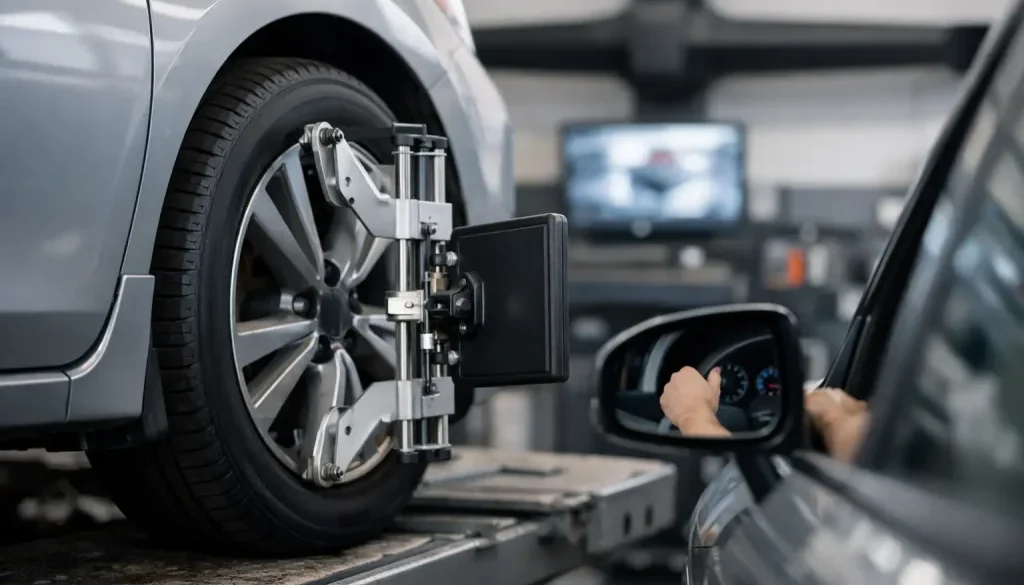
Wheel alignment refers to the angles of the wheels in relation to each other and the vehicle. Technicians measure settings including toe, camber and caster, then compare them with the manufacturer’s specifications. These settings influence how the vehicle travels in a straight line, how the steering wheel returns after a corner and how evenly the tyres meet the road surface.
A small change can develop after striking a pothole, clipping a kerb, driving over a speed hump too quickly or replacing worn suspension components. Sometimes the change is gradual and hard to notice at first. That is why paying attention to the way your car feels between services can prevent a smaller concern from becoming a tyre or suspension repair.
Key wheel alignment symptoms to watch for
Your vehicle pulls or drifts to one side
One of the most familiar signs is a vehicle that consistently moves left or right when you briefly relax your hold on the steering wheel on a safe, level road. It should not need constant correction to stay centred in its lane.
Road camber can cause a mild tendency to follow the slope of the road, so this symptom is not always conclusive on its own. Strong or repeatable pulling, however, deserves an inspection. A tyre pressure difference, tyre fault, brake concern or suspension issue can also produce a similar feeling, which is why accurate diagnosis matters.
The steering wheel sits off-centre
When travelling straight, the steering wheel should generally sit straight as well. If it is noticeably turned to one side while the car continues forward, the alignment may be out.
An off-centre wheel can be more than an annoyance. It can make it harder to judge whether the vehicle is truly tracking straight and may indicate that the steering geometry needs to be checked. If the change appeared after a wheel or suspension repair, it is particularly worth raising with your workshop.
Tyres wear unevenly or more quickly than expected
Inspect your tyres regularly, especially the inner and outer shoulders. Feathered tread, where one edge of each tread block feels sharper than the other, may point to an incorrect toe setting. Excessive wear on one inner or outer edge can be associated with camber issues, although worn suspension parts, driving conditions and tyre pressures also need consideration.
Uneven tyre wear is easy to miss because the inside edge is less visible. A professional tyre and alignment inspection looks across the entire tread surface, not just what can be seen when the car is parked in the driveway. Addressing alignment early may help protect tyres that still have safe, usable tread remaining.
The steering feels loose, heavy or unsettled
Alignment concerns can make a vehicle feel less settled than usual. You may notice a delayed response when turning, a nervous feeling at freeway speeds or a need for frequent small steering corrections. Some drivers describe the car as wandering rather than pulling.
This feeling should not be ignored, but alignment is only one possible cause. Tyre condition, wheel balance, shock absorbers, steering components and suspension bushes all play a part in handling. A proper assessment identifies whether alignment is the answer or whether there is another issue that needs attention first.
Squealing tyres or reduced confidence through corners
Tyres can squeal for many reasons, including a sharp turn on a rough surface. But repeated noise during normal low-speed cornering, together with pulling or uneven wear, can be a sign that the tyres are not meeting the road at the intended angle.
Do not assume tyre noise is simply part of an older vehicle. When a car no longer feels predictable through corners or roundabouts, it is worth having the tyres, steering and suspension checked. Safe handling relies on all of these systems working together.
What causes alignment to go out?
A single impact can be enough. Potholes, raised driveway entries, kerbs and road debris can shift alignment angles or damage a component that holds those angles in place. Melbourne’s changing road conditions mean even careful drivers can encounter a sharp impact without warning.
Wear and repairs can also change the picture. As suspension bushes, ball joints, tie-rod ends, shocks or springs wear, the wheels may no longer sit consistently in the correct position. Replacing suspension or steering parts often calls for an alignment check afterwards. New tyres are another sensible time to assess alignment, particularly if the old set showed uneven wear.
Carrying heavier loads, regular travel on unsealed roads and frequent stop-start driving do not automatically cause poor alignment, but they can add to tyre and suspension wear over time. The right interval depends on your vehicle, the roads you use and any symptoms you notice.
Alignment, balancing and tyre pressure are different checks
These terms are often used together, but they address different concerns. Wheel alignment adjusts the angles and direction of the wheels. Wheel balancing corrects weight distribution around the wheel and tyre assembly, helping reduce vibration at speed. Tyre pressure ensures the tyre carries the load and contacts the road as designed.
For example, a steering wheel vibration that becomes clearer at higher speeds may be more consistent with a wheel balance concern than alignment. A vehicle that pulls after a tyre repair could have a pressure difference. A technician should inspect the full picture rather than making assumptions from one symptom.
When should you book an inspection?
Book a wheel alignment and vehicle inspection promptly if the vehicle pulls strongly, the steering wheel has shifted off-centre, tyre wear is visibly uneven or the car feels unstable. It is also sensible to arrange a check after a significant pothole or kerb strike, after suspension or steering work, or when fitting replacement tyres.
If the pull is sudden or severe, there is vibration through the steering wheel, the vehicle feels unsafe under braking, or you can see tyre damage, avoid unnecessary driving until it has been assessed. These signs may involve more than alignment and should be treated as a safety concern.
At Ringwood Auto Tech, an alignment concern is approached as part of the vehicle’s overall condition. The technician can inspect tyre wear, pressures, steering and suspension components before adjusting the alignment where appropriate. This helps ensure an adjustment is not used to mask a worn or damaged part that needs attention.
Looking after alignment between services
You cannot avoid every pothole or rough road, but a few habits make a real difference. Maintain the tyre pressures recommended for your vehicle, keep an eye on tread wear across both tyre shoulders, and take notice when the steering feel changes. If you strike a kerb or pothole hard enough to concern you, arrange a check rather than waiting for the next scheduled service.
Most importantly, trust changes in your vehicle’s behaviour. Your car should feel composed, predictable and comfortable in normal driving. Acting on an early warning gives you the best chance to protect your tyres, maintain safe handling and keep every trip around Ringwood and Melbourne’s eastern suburbs feeling like the straightforward drive it should be.