

When Your Car Needs a Wheel Balancing Service
A steering wheel that starts to tremble at freeway speeds can make every trip feel longer than it should. Often, the cause is not an engine or steering fault but a wheel balancing service that is due. Correctly balanced wheels help your tyres roll evenly, support a more comfortable drive and reduce unnecessary stress on other parts of your vehicle.
For drivers around Ringwood and Melbourne’s eastern suburbs, where daily travel can include stop-start traffic, freeway commuting and uneven local roads, wheel balance is a small maintenance detail with a noticeable effect. It is also a concern worth checking early, rather than waiting for vibration to become part of the drive.
What a wheel balancing service actually does
A wheel and tyre assembly should have its weight distributed evenly around its entire circumference. In practice, tyres, wheels and valve assemblies all have slight variations in weight. Even a small imbalance can become more apparent as the wheel spins faster.
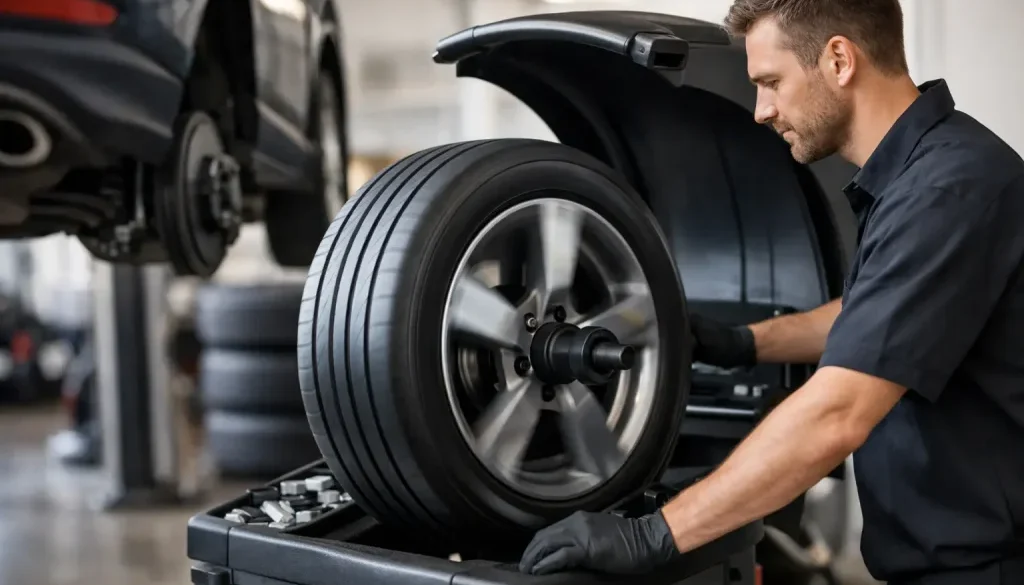
During a professional wheel balancing service, each wheel is placed on specialised balancing equipment. The machine measures where the assembly is carrying too much or too little weight, allowing the technician to fit small balancing weights in the correct positions. The goal is to help the wheel rotate smoothly at speed.
The work is precise, but it is not the same as a wheel alignment. Wheel balancing addresses the weight distribution of the rotating wheel and tyre. Wheel alignment checks the angles at which the wheels sit and travel relative to the vehicle. Both services matter for tyre life, handling and comfort, but they solve different problems.
Signs your wheels may be out of balance
The most familiar sign is vibration through the steering wheel, particularly at a certain speed range. It may begin mildly around suburban and freeway speeds, then ease or change as you slow down. Front-wheel imbalance is more likely to be felt through the steering wheel, while rear-wheel imbalance may be felt through the seat, floor or body of the car.
Vibration is not the only clue. You may also notice a droning or thumping sensation that was not there before, uneven tyre wear, or a vehicle that no longer feels as settled on a smooth road. These symptoms can have other causes, including tyre damage, wheel alignment concerns, worn suspension components or steering issues. That is why an inspection is more useful than assuming the answer.
A tyre can also lose balance after everyday events. Potholes, rough road surfaces and kerb contact can affect a wheel or dislodge a balancing weight. Tyre repairs, a new tyre, wheel replacement and seasonal wheel changes are other common times when balancing should be checked.
Vibration should not be ignored
Not every vibration means there is an immediate safety issue, but it should not be treated as normal. A wheel imbalance can accelerate tyre wear and make the vehicle less comfortable to drive. More importantly, a professional check can identify whether the vibration is coming from the wheels or from another component that needs attention.
If a vibration appears suddenly after striking a pothole or kerb, or if you can see a bulge, cut or distortion in a tyre, arrange an inspection promptly. A damaged tyre or bent wheel needs a proper assessment before the vehicle is relied on for regular travel.
Wheel balancing versus wheel alignment
These services are frequently grouped together because both relate to tyres and handling. However, knowing the difference makes it easier to understand a technician’s recommendation.
Wheel balancing is generally the first consideration when there is a speed-related vibration. The technician is correcting an uneven weight distribution in the wheel and tyre assembly. Alignment is more often associated with the vehicle pulling to one side, an off-centre steering wheel when driving straight, or irregular tyre wear along the inner or outer edges.
There can be overlap. A vehicle with poor alignment and unbalanced wheels may show several symptoms at once. A quality workshop will assess the condition of the tyres, wheels, steering and suspension before recommending the most suitable work. This prevents a symptom from being addressed while the underlying cause is missed.
Why balanced wheels help protect your tyres
Tyres are one of the hardest-working parts of any car. They carry the vehicle’s weight, manage braking and cornering forces, and maintain contact with the road in changing weather. When a wheel is out of balance, the tyre can repeatedly rise and fall or wobble slightly as it rotates. Over time, that movement may contribute to uneven wear.
Uneven wear reduces the usable life of a tyre and can affect ride quality as the pattern becomes more pronounced. It may also make road noise more noticeable. Balancing does not correct every type of tyre wear – alignment, tyre pressure, suspension condition and driving conditions all play a role – but it is an important part of looking after the tyre as a whole.
Keeping wheels balanced can also reduce vibration transferred through steering and suspension components. While it is not a substitute for mechanical repairs where parts are worn or damaged, it supports the smooth operation of the vehicle’s running gear.
When should wheel balancing be checked?
There is no single interval that applies to every vehicle. The right timing depends on the tyres fitted, the roads you travel, how the vehicle is used and whether any symptoms have developed. As a practical approach, ask for wheel balance to be checked whenever new tyres are fitted, after a tyre repair, or when wheels have been removed and refitted for tyre-related work.
It is also sensible to arrange an inspection when vibration is felt through the cabin or steering wheel, after a significant pothole impact, or if a balancing weight appears to have come away from the wheel. During regular servicing, a technician can also identify tyre wear patterns that suggest balancing or alignment should be considered.
For family cars, commuter vehicles, utes and business vehicles that cover a lot of kilometres, early attention is especially worthwhile. A minor concern caught before it worsens can help keep the vehicle comfortable and dependable for school runs, work travel and weekend plans.
What to expect from a professional inspection
A proper wheel balancing appointment involves more than simply adding weights. The technician should inspect the tyre and wheel condition first, looking for signs such as uneven wear, damage, missing weights or issues that could affect the result. Tyre pressures may also be checked, as incorrect pressure can contribute to handling and wear concerns.
Each wheel is then balanced using calibrated equipment. If the machine indicates an unusual reading, or if vibration remains after balancing, further checks may be needed. This can include assessing tyre condition, wheel run-out, wheel alignment, suspension and steering components. The best next step depends on what the vehicle is showing, rather than applying the same solution to every car.
Clear communication matters here. You should understand what has been found, what work is recommended and why it will help. That approach gives you the confidence to make an informed decision about your vehicle’s care.
A smoother drive starts with the right diagnosis
A smooth, stable drive is easy to take for granted until vibration starts appearing through the steering wheel or cabin. Wheel balancing is a straightforward service, but its value lies in protecting tyre condition, improving comfort and helping technicians rule out more serious causes of vibration.
If your car no longer feels settled on the road, having it checked by an experienced workshop is a practical step towards peace of mind. At Ringwood Auto Tech, every vehicle is assessed with the same care we would want for our own, so you can get back to driving with greater confidence.


Wheel Alignment Symptoms Guide for Safer Driving - Ringwood Auto Tech
August 2, 2026 @ 12:02 pm
[…] feeling should not be ignored, but alignment is only one possible cause. Tyre condition, wheel balance, shock absorbers, steering components and suspension bushes all play a part in handling. A proper […]