
How Often Should You Regas Your Car Aircon?
A Melbourne summer afternoon is a poor time to find out your air conditioning is no longer doing its job. If you are wondering how often you should regas your car aircon, the short answer is: not to a fixed calendar rule. A properly sealed system should not need regular refrigerant top-ups, but most vehicles benefit from a professional air conditioning inspection and service every two years.
If the system has lost its cooling performance, it is worth finding out why before simply adding more refrigerant. Car air conditioning is a sealed system, so a noticeable loss of gas can point to a leak, a worn component or another fault that needs attention.
How Often to Regas Car Aircon
Many drivers have heard that car air conditioning should be regassed every one or two years. In practice, the right interval depends on the condition of the vehicle, how often the air conditioning is used and whether the system is losing refrigerant.
For a vehicle with cold, consistent airflow and no signs of a fault, a regas may not be needed at all during a routine service. However, an air conditioning service every two years is a sensible preventative measure. It gives a qualified technician the chance to assess cooling performance, test for leaks, inspect key components and confirm the refrigerant charge is correct.
A regas is appropriate when testing shows the refrigerant level is low and the rest of the system is operating as it should. If the gas has escaped due to a leak, the leak should be identified and repaired first. Otherwise, the fresh refrigerant may only provide temporary relief, leaving you back where you started when the weather warms up.
Why Refrigerant Can Run Low
Your car’s air conditioning does more than blow cold air through the vents. Refrigerant circulates through pipes, seals, a compressor, condenser and evaporator, carrying heat out of the cabin. For the system to work effectively, it needs the correct refrigerant amount and pressure.
Over time, small amounts of refrigerant can escape through seals and hose connections. Rubber seals can dry out, particularly where air conditioning is rarely used. Stone damage to the condenser at the front of the vehicle, ageing hoses, corrosion and damaged fittings can also cause leaks.
The compressor relies on lubricating oil that moves through the system with the refrigerant. When the system is low on gas or left unused for long periods, components may not receive the lubrication they need. That is one reason it is helpful to run the air conditioning regularly throughout the year, including in winter.
Signs Your Car Aircon May Need Attention
Warm air on a hot day is the most obvious sign, but it is not the only one. Cooling that takes longer than it used to, airflow that is cool but never properly cold, or air that changes temperature while driving can all indicate a system that needs checking.
You may also notice a musty smell when the air conditioning starts, unusual noises when the compressor engages, or excess moisture inside the cabin. A musty smell does not always mean the refrigerant is low. It can be caused by moisture and bacteria around the evaporator or a clogged cabin filter, which is why a proper assessment matters.
If the air conditioning stops working suddenly, do not assume it only needs a regas. Electrical faults, pressure sensors, compressor issues, cooling fan problems and damaged components can all produce similar symptoms. Accurate diagnostics avoid replacing or regassing parts of the system unnecessarily.
A Regas Is Not a Cure for Every Aircon Problem
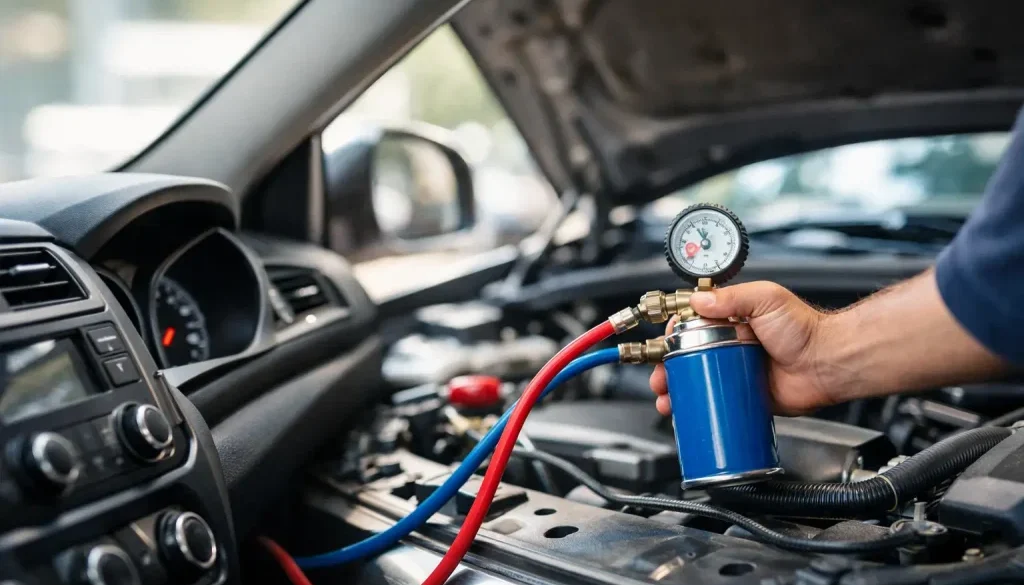
A professional regas involves more than connecting a machine and adding refrigerant. The existing refrigerant is recovered, the system is checked and evacuated to remove moisture and air, and it is recharged with the manufacturer-specified refrigerant and oil. This process helps protect the system and supports reliable cooling.
Before recharging, a technician should consider whether there is evidence of a leak. Some leaks are easy to locate, while others are gradual or only become apparent under certain operating conditions. The age of the vehicle and the design of its air conditioning system can influence the diagnostic process.
This is particularly relevant for newer vehicles. Modern systems often use different refrigerants from older cars and may include more sensors and electronically controlled components. Correct equipment, refrigerant handling and manufacturer information are essential. Refrigerant must be handled responsibly, both for vehicle safety and environmental reasons.
When Should You Book an Air Conditioning Service?
The best time to arrange an air conditioning check is before you need it most. Spring is ideal for many drivers because it allows any concerns to be addressed before hot weather arrives. That said, it is worth booking sooner if the air is not cooling effectively, there is an unusual smell or noise, or you have noticed performance declining.
An inspection is also worthwhile after accident damage around the front of the vehicle, even if the air conditioning still seems to operate. The condenser sits in a vulnerable position behind the grille and can be affected by impacts or road debris.
For families, commuters and business vehicle owners across Ringwood and Melbourne’s eastern suburbs, dependable air conditioning is more than a comfort feature. It helps keep the cabin clear, comfortable and manageable during school runs, long commutes and summer traffic. The demister function also uses the air conditioning system to remove moisture from the air, helping clear a fogged windscreen in wet or cold conditions.
Can You Prevent Aircon Problems?
You cannot prevent every leak or component failure, but regular use and timely servicing can reduce the chance of an unpleasant surprise. Run the air conditioning for around 10 minutes each week, even during cooler months. Use it with the demister when needed, and pay attention to changes in temperature, airflow or noise rather than waiting for total failure.
Keeping up with general servicing matters as well. A technician can identify damaged drive belts, cooling-system concerns or other issues that may affect air conditioning operation. Replacing a blocked cabin filter when required can also improve airflow and help the system perform as intended.
Avoid relying on aftermarket refill cans or attempting to add refrigerant yourself. Modern vehicle systems require the correct type and precise amount of refrigerant, and an overcharged or incorrectly charged system can cool poorly and place extra strain on components. More importantly, a DIY refill does not establish why the gas was low in the first place.
What to Expect From a Professional Check
A proper air conditioning assessment should begin with your experience of the problem. Let the technician know whether the issue is constant or intermittent, whether it happens only in very hot weather and whether you have noticed smells, noises or water inside the cabin.
The system can then be tested for cooling performance and operating pressures. Depending on the findings, further checks may be needed for leaks, compressor operation, electrical controls and airflow. Clear advice should follow: whether the vehicle needs a regas, a repair before recharging, or simply a cabin filter or cleaning service.
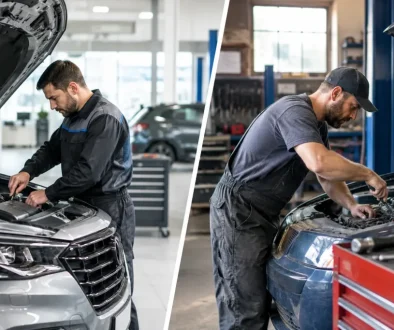
At Ringwood Auto Tech, the focus is on practical recommendations that suit the condition of your vehicle. Air conditioning concerns are assessed as part of looking after the whole car, so you can make an informed decision and drive away with greater peace of mind.
If your aircon is not as cold as it once was, treat it as an early warning rather than something to put off until the next heatwave. A timely professional inspection can help protect the system, restore cabin comfort and keep your vehicle ready for the road ahead.