
Brake Repair Near Me: Signs You Should Not Ignore
That moment when the brake pedal feels different, the car pulls as you stop, or a sharp squeal comes from a wheel is not something to put off until the next service. If you are searching for brake repair near me, you are likely looking for clear answers and a workshop that will treat the issue with the care it deserves.
Your brakes are one of the vehicle’s most important safety systems. They need to work predictably in school drop-off traffic, on wet eastern suburbs roads, and during sudden stops on the freeway. A professional inspection can identify whether the concern is normal wear, a component that needs attention, or an issue requiring more urgent repair.
What “brake repair near me” should mean
Convenience matters when your vehicle needs attention, but brake repairs should never be chosen on location alone. The right local workshop should take the time to understand what you have noticed, inspect the complete braking system and explain its findings in plain language.
A brake concern can come from several areas. Brake pads and rotors naturally wear over time, but a soft pedal may relate to brake fluid or a hydraulic issue. Pulling to one side could involve a sticking brake component, uneven wear, tyres or suspension. A dashboard warning light may point to the electronic braking system, including ABS. The symptom is useful, but it is not a diagnosis by itself.
At Ringwood Auto Tech, the focus is on accurate assessment and practical recommendations, so you can make an informed decision about your vehicle. This approach helps drivers across Ringwood and Melbourne’s eastern suburbs stay on top of maintenance before a small concern becomes a larger safety issue.
Signs your brakes need professional attention
Some brake wear is gradual, which can make it easy to miss until stopping performance changes noticeably. Paying attention to how your car feels and sounds is one of the best ways to act early.
Squealing, scraping or grinding noises
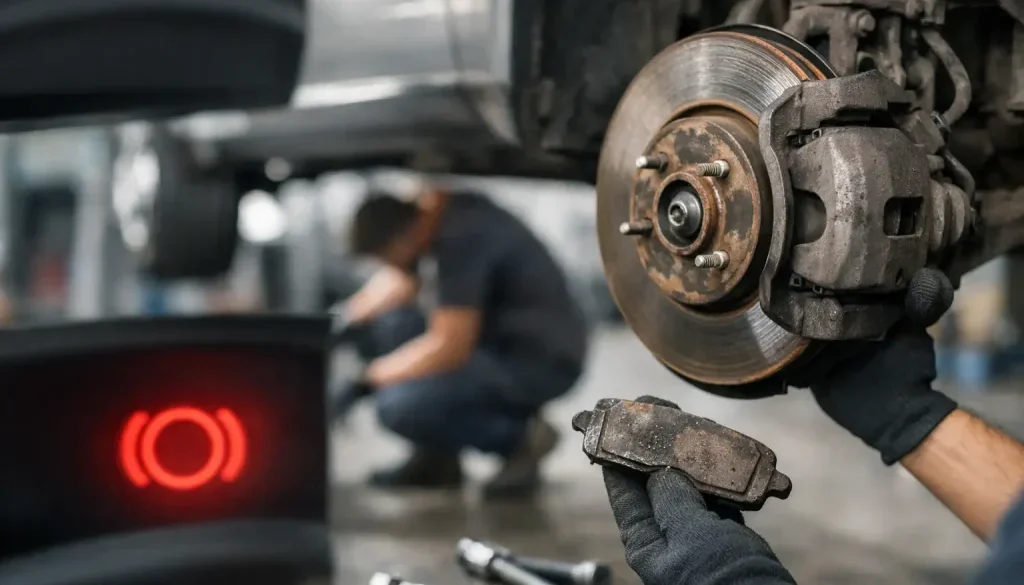
A high-pitched squeal when braking can occur when pads are nearing the end of their service life. It does not always mean immediate damage, but it is a good reason to arrange an inspection promptly. Scraping or grinding is more serious, particularly if it happens every time you brake. It may indicate that worn friction material is no longer protecting the brake rotor.
Waiting can affect more than the pads. It can lead to additional wear on related components and reduce the vehicle’s ability to stop smoothly. A technician can inspect the parts involved and advise on the most appropriate repair.
Vibration through the pedal or steering wheel
If you feel a shudder through the brake pedal, steering wheel or vehicle body while slowing down, have it checked. The cause may be related to brake rotor condition, but it can also be influenced by wheel, tyre or suspension concerns. The feeling may be more obvious at certain speeds or under firmer braking.
A proper assessment matters because replacing one part without identifying the cause can leave the original problem unresolved. Professional diagnostics help ensure the repair addresses what is actually happening with your car.
A soft, spongy or unusually low brake pedal
Your brake pedal should feel firm and consistent. If it travels further than normal, feels soft underfoot, or gradually sinks while you are holding pressure, do not ignore it. These changes can indicate an issue in the hydraulic braking system and should be inspected without delay.
Similarly, if the pedal suddenly feels much harder than usual, that warrants attention. Any unexpected change in pedal feel is a safety concern, even if the car still appears to stop.
Pulling, drifting or reduced confidence when stopping
A vehicle that pulls to one side under braking can be unsettling, especially in wet conditions or heavy traffic. Uneven brake operation is one possible cause, although wheel alignment, tyre condition and suspension can also affect straight-line stability.
Reduced stopping confidence is reason enough to book in. You know how your vehicle normally behaves. If it takes more effort to stop, feels unsettled, or simply does not inspire confidence, a qualified technician should assess it.
Brake warning or ABS warning lights
Dashboard warning lights are there for a reason. A brake warning light can relate to several conditions, including fluid level or the parking brake system. An ABS warning light means the anti-lock braking system may not be operating as intended. Standard braking may still be available, but the vehicle should be checked as soon as practical.
Do not rely on the warning light disappearing as proof that the issue has resolved. Intermittent faults can still be stored in the vehicle’s system and may require diagnostic equipment to investigate properly.
What happens during a brake inspection?
A thorough brake inspection looks beyond what can be seen through the wheel spokes. Technicians assess the condition and remaining thickness of brake pads, inspect rotors for wear or damage, and check calipers, hoses and related hardware. Brake fluid condition and level are also considered, along with warning lights and any reported symptoms.
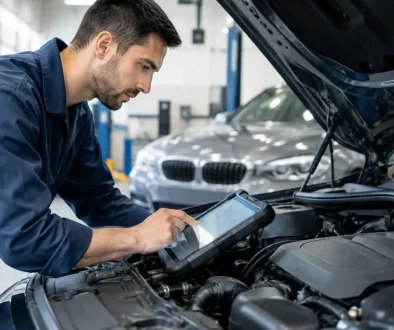
The inspection may include a road test where appropriate. This helps confirm concerns such as noise, vibration, pulling or pedal feel under normal driving conditions. For vehicles with electronic safety systems, diagnostic scanning can help identify stored faults that are not obvious during a visual check.
The outcome should be clear. You should understand what requires attention now, what can be monitored, and why a recommended repair is relevant to the safety and reliability of your vehicle. Brake servicing is not always a full component replacement. It depends on the condition of the system, the vehicle’s use and the source of the concern.
Why preventative brake servicing makes sense
Brake components are designed to wear, but the rate of wear varies. Stop-start commuting, steep roads, towing, carrying heavier loads and frequent short trips can all place more demand on the braking system. Vehicle type also matters, as does the way it is driven.
Regular servicing gives technicians an opportunity to measure wear and spot uneven patterns before braking performance is affected. It can also help identify related issues, such as tyre or suspension wear, that may influence how the vehicle behaves when braking.
Brake fluid deserves attention too. It absorbs moisture over time, which can affect its performance and the condition of components within the braking system. Your vehicle manufacturer’s service schedule is a useful guide, but a professional can advise based on the vehicle’s age, service history and current condition.
Preventative maintenance is about peace of mind rather than waiting for a warning sound or light. For families, commuters and business vehicles that need to be on the road every day, that confidence is valuable.
When should you stop driving and seek help?
Some brake symptoms call for urgent action. If the brake pedal suddenly drops very low, braking power is significantly reduced, there is a burning smell or smoke near a wheel, or a red brake warning light appears, it is safest not to continue driving. Arrange appropriate assistance and have the vehicle professionally assessed.
For less severe symptoms, such as a mild squeal or occasional vibration, book an inspection soon rather than waiting for your next scheduled service. Early assessment can provide reassurance when there is no serious fault, or allow repairs to be planned before the issue affects your daily driving.
Choosing a local workshop you can rely on
When looking for brake repairs in Ringwood, ask whether the workshop will inspect the full system, explain the findings and keep you informed before work proceeds. Clear communication is especially important because brake symptoms can have more than one possible cause.
It also helps to choose a workshop capable of looking at the vehicle as a whole. Brakes work alongside tyres, suspension, steering and electronic safety systems. A complete view supports a more reliable repair and helps protect the vehicle’s handling as well as its stopping performance.
If something about your brakes does not feel right, trust that instinct. Booking an inspection gives you a clear path forward and helps keep every trip – from the morning commute to the weekend drive – safer and more predictable.
When Do Brakes Need Replacing? Key Warning Signs - Ringwood Auto Tech
July 21, 2026 @ 5:02 pm
[…] disc. Continuing to drive in this condition can damage the discs and reduce braking effectiveness. Arrange an inspection as soon as practical, and avoid unnecessary driving until the issue has been […]
Roadworthy Inspection Checklist Melbourne - Ringwood Auto Tech
September 11, 2026 @ 12:32 pm
[…] pedal feel, visible brake components and brake warning lights. Signs such as pulling to one side, grinding noises, vibration through the pedal or a handbrake that will not hold the vehicle should be checked before […]
How to Pass Roadworthy Checks Without the Stress - Ringwood Auto Tech
September 23, 2026 @ 2:02 pm
[…] take a moment to consider how the car feels on the road. Pulling to one side under braking, a steering wheel that feels loose, vibration, clunks over bumps or a vehicle that wanders are all […]
Brake Warning Signs Explained for Safer Driving - Ringwood Auto Tech
October 7, 2026 @ 3:02 pm
[…] Grinding or harsh scraping when braking can mean the friction material on a brake pad has worn away, allowing metal components to contact the brake disc. Continuing to drive can damage other brake parts and, more importantly, affect stopping performance. […]