

How to Pass Roadworthy Checks Without the Stress
A roadworthy certificate can feel like one more hurdle when you are selling, transferring or re-registering a vehicle. If you are looking for how to pass roadworthy requirements in Victoria, the best approach is not to wait for the inspection and hope for the best. Give your vehicle a sensible pre-check, address obvious concerns early and use a licensed tester who can explain what is needed clearly.
A roadworthy inspection is about whether key safety-related items meet the required standard on the day. It is not a full mechanical assessment or a promise that a vehicle will stay trouble-free. That distinction matters: a car may pass a roadworthy inspection yet still benefit from routine servicing, diagnostic work or preventative maintenance.
What a Victorian roadworthy inspection looks for
In Victoria, a roadworthy inspection focuses on components that affect the safe operation of the vehicle. The tester will assess the condition and operation of important items, including tyres and wheels, brakes, steering and suspension, lights, windscreen condition, seatbelts, mirrors, doors, seats and the vehicle structure.
The inspection also considers whether the vehicle has been modified in a way that affects safety or legal compliance. This can be relevant for vehicles with altered suspension, non-standard wheels and tyres, aftermarket lighting or other changes. If you are unsure whether a modification may be an issue, raise it when making your booking rather than finding out on inspection day.
Roadworthy requirements are not designed to catch out responsible owners. They are there to help ensure the vehicle is safe for the road and to give the next owner confidence that critical items have been checked. A clean, well-maintained vehicle with no warning signs is usually in a much stronger position than one that has had concerns ignored for months.
How to pass roadworthy checks before you book
Start with the simple things you can observe without attempting repairs. Walk around the car in daylight and look at it as a tester or prospective buyer would. Check that the headlights, tail-lights, brake lights, indicators, number plate lights and reversing lights operate properly. Ask someone to stand behind the vehicle while you apply the brakes, or use a reflection where safe to do so.
Look over the windscreen, windows and mirrors. A damaged windscreen can be more than an annoyance if a crack or chip affects the driver’s field of vision. Wiper blades should clear the screen effectively, and washers should work. Make sure mirrors are secure and provide a clear view.
Tyres deserve close attention. They need adequate tread, no obvious sidewall damage or exposed cords, and should be matched appropriately across each axle. Uneven wear may point to an alignment, suspension or steering issue, so it is worth having this assessed before the roadworthy inspection rather than simply replacing a tyre and overlooking the cause.
Inside the cabin, check that seatbelts pull out, retract and latch correctly. Confirm that seats are secure, doors latch properly and the horn works. Warning lights on the dash should not be treated as something to ignore. An engine, ABS, airbag or brake warning light may require professional diagnosis before the vehicle is presented.
Finally, take a moment to consider how the car feels on the road. Pulling to one side under braking, a steering wheel that feels loose, vibration, clunks over bumps or a vehicle that wanders are all worthwhile reasons to arrange a mechanical assessment. These symptoms can relate to safety-critical systems and should be diagnosed by a qualified technician.
The areas most likely to cause delays
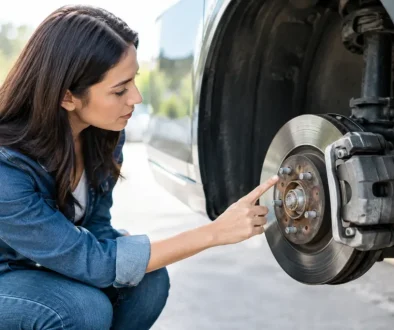
Many roadworthy delays come from wear-and-tear items that have been visible for some time. Tyres near the end of their life, worn brake components, faulty globes, windscreen damage and tired wiper blades are common examples. None should be left until the last minute, particularly if you need the certificate for a sale or registration deadline.
Leaks can also need attention. A small mark on the driveway does not always tell you what is happening underneath the vehicle. Oil, coolant, brake fluid and transmission fluid can come from different areas, and the right repair depends on an accurate inspection. This is particularly relevant for modern automatic, DSG and dual-clutch vehicles, where a fluid leak or drivability concern should be assessed by a workshop with the right diagnostic experience.
Suspension and steering concerns are another frequent source of trouble. Worn bushes, ball joints, shock absorbers and steering components can affect tyre wear, handling and braking stability. A rattle may seem minor on a daily commute, but it should not be dismissed when the vehicle is due for a safety inspection.
Do not confuse a service with a roadworthy certificate
A current service is valuable, but it does not automatically mean a vehicle will pass a roadworthy inspection. Likewise, a roadworthy certificate is not a substitute for scheduled servicing. Each has a different purpose.
A service helps maintain the vehicle according to its age, condition and manufacturer requirements. It can identify developing concerns such as fluid deterioration, battery weakness, brake wear, cooling-system issues or transmission faults. A roadworthy inspection has a narrower safety focus and assesses the vehicle against applicable standards at that point in time.
For the best chance of a straightforward outcome, consider arranging a service or pre-roadworthy assessment if your vehicle is overdue, has warning lights, has been sitting unused, or has recently developed unusual noises or handling changes. This gives a technician time to identify the actual cause of a concern and recommend appropriate repairs, without the pressure of an immediate certificate deadline.
Prepare the vehicle properly for the appointment
Presenting a reasonably clean and accessible vehicle helps the inspection run efficiently. Remove excess items from the boot and cabin, especially where they block access to seatbelts, spare-wheel areas or other components that may need to be checked. Bring any relevant documentation and make sure the vehicle details are correct.
If you have recently had work carried out elsewhere, keep the paperwork handy. It may assist with understanding what has already been repaired, although the vehicle still needs to meet the required condition at the time of inspection. Be upfront about known faults, modifications or previous issues. Clear information allows the tester to give more useful advice and prevents unnecessary back-and-forth.
Avoid temporary fixes intended only to get through an inspection. They can create a bigger problem later, particularly when they involve brakes, steering, suspension, tyres or electrical systems. Safe, durable repairs protect the people in your vehicle and everyone sharing the road.
If your vehicle does not pass first time
A failed inspection is not the end of the process. It means one or more items need attention before a certificate can be issued. Ask for a clear explanation of the items identified and what repair work is required. A professional workshop should communicate in plain language, help you understand the priority of the work and inspect the vehicle again once repairs are complete.
The right next step depends on the fault. A faulty globe or worn wiper blade may be straightforward, while brake, suspension, structural or transmission-related concerns need a proper inspection and repair plan. Trying to guess at the cause of a warning light or handling issue can lead to unnecessary work and delay.
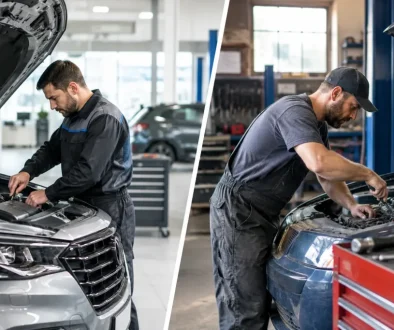
For drivers in Ringwood and Melbourne’s eastern suburbs, Ringwood Auto Tech can inspect your vehicle, explain any concerns clearly and help you move forward with confidence. Our team treats each car as though it were our own, with a focus on safe workmanship and practical advice.
A little preparation gives you the best chance of a smooth roadworthy experience, but the real goal is more valuable than a certificate: confidence that the car you rely on is safe for the everyday trips that matter.