
Roadworthy Inspection Checklist Melbourne
A roadworthy certificate is often needed at the point when a vehicle is changing hands, returning to registration or clearing a defect notice. That can make the process feel urgent, particularly when work, school runs and family commitments depend on the car. This roadworthy inspection checklist Melbourne drivers can use will help you understand what a licensed tester assesses, what commonly causes a delay and how to arrive prepared.
A roadworthy inspection is about minimum safety standards. It is not the same as a full mechanical inspection, a log book service or a guarantee that a vehicle will remain trouble-free after the certificate is issued. Knowing that difference helps you make clear decisions about any repairs your vehicle may need.
What a roadworthy inspection checks
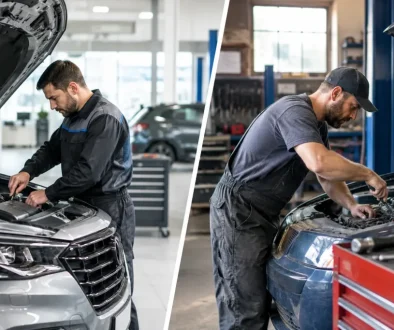
In Victoria, a licensed vehicle tester examines the safety-related components required under the applicable standards. The focus is whether the vehicle is safe for use on the road at the time of inspection. The inspection is visual and practical, with appropriate checks of major systems rather than a complete strip-down of the vehicle.
The precise requirements can vary slightly with the type, age and design of a vehicle. A passenger car, SUV, ute or light commercial vehicle may have different features to assess. However, the following areas form the core of a typical inspection.
Tyres, wheels and wheel security
Tyres need sufficient legal tread, appropriate condition and no damage that makes them unsafe. A tester will look for cracking, exposed cords, bulges, uneven wear and tyres that do not appear suitable for the vehicle. They will also check that wheels are secure and not damaged in a way that affects safety.
Uneven tyre wear deserves attention even if there is still usable tread. It can point to wheel alignment, suspension or steering concerns. Replacing a tyre without addressing the reason it wore unevenly may only postpone the problem.
Brakes and parking brake
Your braking system must work effectively and safely. This includes the foot brake, parking brake, brake pedal feel, visible brake components and brake warning lights. Signs such as pulling to one side, grinding noises, vibration through the pedal or a handbrake that will not hold the vehicle should be checked before booking an inspection.
Brake issues are not an area to leave until the last minute. They affect everyday safety, and repairs may take longer if parts or additional diagnosis are required.
Steering, suspension and underbody components
The steering and suspension keep the vehicle stable, predictable and controllable. During a roadworthy inspection, a tester checks for excessive wear, damage, looseness and leaks in relevant components. Shock absorbers, springs, bushes, steering joints and wheel bearings can all affect the outcome when they are worn or damaged.
Drivers often notice warning signs first: clunks over bumps, wandering on the road, a steering wheel that sits off-centre or an unsettled feeling through corners. These symptoms do not always mean a roadworthy failure, but they are a good reason to have the car assessed early.
Lights, indicators and electrical safety items
All required lights need to operate correctly, including headlights, tail lights, brake lights, indicators, number plate lights and hazard lights. The horn and relevant dashboard warning lights may also be checked. A blown globe may be simple to rectify, but it can still prevent a certificate from being issued on the day.
Before your appointment, take a moment to switch on each light and ask someone to stand behind the vehicle while you test the brake lights and indicators. This is a basic owner check, not a substitute for professional repairs, but it can identify an obvious issue before the inspection.
Windscreen, windows, mirrors and wipers
A clear view of the road is essential. The windscreen is checked for damage in the driver’s field of vision, while mirrors must provide an adequate view behind and beside the vehicle. Wipers and washers must work properly enough to clear the windscreen.
Small chips or worn wiper blades are easy to overlook during dry Melbourne weather. They become much more noticeable in rain, glare or early-morning conditions. If the wipers streak badly or the washer bottle is empty, have it addressed before the inspection.
Seatbelts, seats and doors
Seatbelts need to latch, retract and remain securely mounted. Seats must be secure, especially the driver’s seat, and doors need to open, close and latch properly. These features may seem routine, but they are fundamental to protecting occupants in an incident.
Check that child restraints, where fitted, are not obscuring or interfering with seatbelt operation. If you have recently removed or changed seats, accessories or trim, make sure everything is properly secured.
Vehicle structure, body and safety risks
A vehicle must not have sharp edges, loose panels, serious corrosion or body damage that creates a safety concern. The bonnet and boot need to latch securely. The tester may also look for fluid leaks, damaged exhaust components and other visible issues that could make the vehicle unsafe.
Modifications can require additional care. Non-standard wheels, suspension changes, lighting upgrades and other alterations must remain compliant. If you are uncertain about a modification, raise it when making the booking so the workshop can advise on the most appropriate next step.
Your practical roadworthy inspection checklist
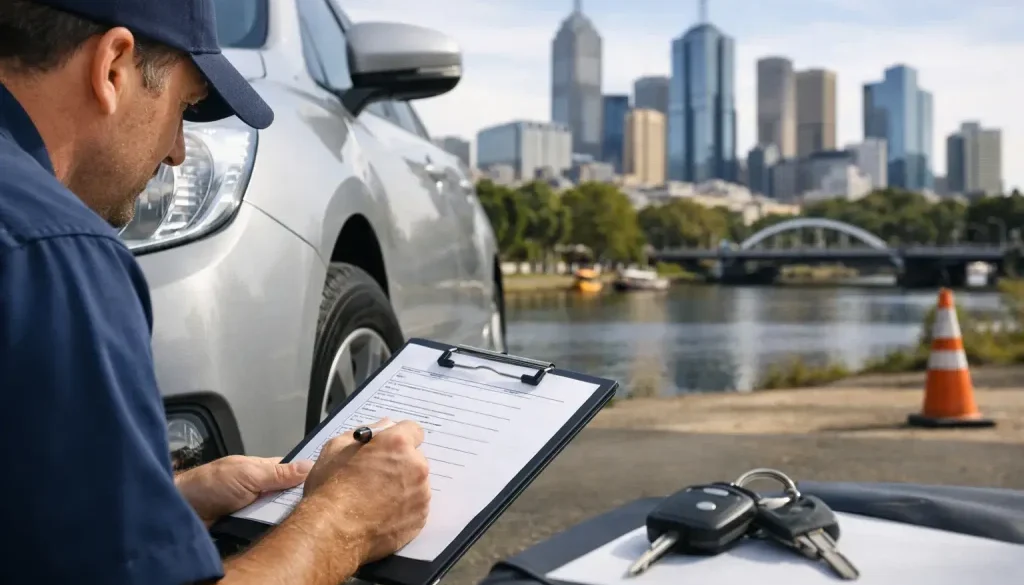
A little preparation can reduce avoidable delays. In the days before the appointment, check these straightforward items:
- Bring the vehicle clean enough for key areas, identification and lights to be seen clearly.
- Confirm the registration details and vehicle identification number match your paperwork.
- Remove heavy items from the boot if they block access to relevant areas or make the vehicle difficult to assess.
- Ensure the washer bottle has fluid and all accessible lights appear to work.
- Look for obvious tyre damage, warning lights, fluid leaks or loose trim.
- Bring any information relevant to approved modifications or recently completed repairs.
This is not a pass-or-fail self-assessment. It is simply a sensible way to avoid arriving with an empty washer bottle, a flat tyre or a blown brake light that could have been noticed beforehand.
Why a pre-inspection check can be worthwhile
If your vehicle has not been serviced recently, or you already know it has a mechanical concern, a pre-inspection check may be the more practical approach. It gives a technician the opportunity to identify safety items before the formal certificate process. This can be especially helpful for older vehicles, cars that have been parked for a period or vehicles with a history of suspension, braking or electrical concerns.
It also gives you a clearer picture of the distinction between essential roadworthy repairs and recommended maintenance. A vehicle may meet minimum roadworthy requirements while still being due for servicing, tyres or future repairs. Conversely, a small but safety-critical fault can prevent a certificate even when the vehicle otherwise drives well.
At Ringwood Auto Tech, drivers from Ringwood and Melbourne’s eastern suburbs can have their vehicle assessed by experienced technicians who explain findings in plain language. The aim is to help you understand what requires attention, why it matters and what work is appropriate for your vehicle.
If your vehicle does not pass the first time
A failed inspection does not automatically mean the vehicle is in poor overall condition. Often, the issue is limited to one or several safety items that need repair or replacement. The tester should identify the items that require rectification so you can make an informed decision.
Avoid treating the outcome as a reason to rush unsuitable repairs. Ask for a clear explanation of the concern and have the work completed professionally. Once the listed items are rectified, the vehicle can be presented for the required follow-up inspection within the applicable timeframe.
A certificate is one part of safer motoring
Whether you are selling a first car, transferring a family vehicle or getting registration back on track, the best preparation is to book early and deal with known concerns before they become urgent. A careful roadworthy inspection supports peace of mind, but regular servicing and prompt attention to warning signs help keep your vehicle safe long after the paperwork is complete.