

Roadworthy Certificate for Victorian Drivers
A roadworthy certificate is often the final item holding up a vehicle sale, transfer or return to registration. It is also a worthwhile safety checkpoint. For drivers across Ringwood and Melbourne’s eastern suburbs, knowing what the inspection is designed to assess can make the process clearer and help avoid last-minute surprises.
A roadworthy inspection is not about finding every minor imperfection in an older car. It focuses on whether the vehicle meets the minimum safety standards required to be used on Victorian roads. If an issue affects safety, it needs attention before a certificate can be issued.
When do you need a roadworthy certificate?
In Victoria, a roadworthy certificate is commonly required when selling a registered vehicle, re-registering an unregistered vehicle, or clearing a vehicle defect notice. The certificate is generally valid for 30 days from its date of issue, so timing matters. Booking one too early may mean it expires before your paperwork is complete, while leaving it until the last minute can create unnecessary pressure if repairs are needed.
For a private sale, the certificate gives the buyer confidence that the vehicle has passed a defined safety inspection at that point in time. It does not mean the car is perfect, recently serviced or free from future repairs. A vehicle can meet roadworthy requirements while still having maintenance items that deserve attention, such as ageing fluids, a weak battery or upcoming scheduled servicing.
That distinction is useful for both buyers and sellers. The inspection is a safety standard, not a full condition report or a substitute for ongoing mechanical care.
What a roadworthy inspection checks
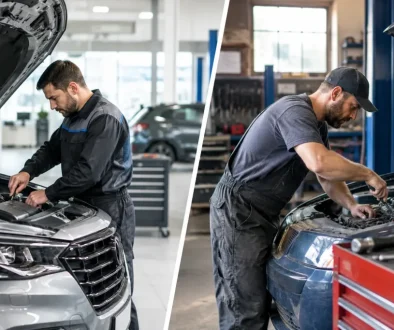
An authorised vehicle tester examines the areas that have the greatest impact on safe operation. The exact checks depend on the vehicle, but the inspection generally covers the vehicle’s identification, tyres and wheels, steering, suspension, brakes, lights, windscreen, wipers, seatbelts, seats, doors, bonnet, exhaust, and visible signs of structural damage or corrosion.
The tester will also look for safety-related concerns such as fluid leaks, damaged mirrors, insecure components and warning lights that indicate a fault affecting the vehicle’s safe use. On vehicles fitted with modern safety systems, dashboard warnings should never be ignored. An airbag, ABS or stability-control warning can indicate a fault that requires proper diagnosis rather than guesswork.
Tyres are a frequent area of concern because their condition is easy to overlook in day-to-day driving. Excessive wear, visible damage, incorrect fitment or inadequate tread can prevent a vehicle from passing. Brakes, steering and suspension are equally important. A car that pulls, vibrates, clunks over bumps or feels unsettled may need professional assessment before the inspection.
A clear windscreen is another practical requirement. Damage in the driver’s critical viewing area, ineffective wipers or washers that do not work properly can affect visibility and may need rectification. Small issues can become significant when they compromise the driver’s view of the road.
What a certificate does not tell you
It is easy to assume a passed certificate confirms that every part of the vehicle is in excellent condition. That is not its purpose. A roadworthy certificate does not guarantee the future reliability of the engine, automatic transmission, air conditioning or electrical systems. Nor does it confirm that the vehicle has been serviced in line with its manufacturer’s schedule.
For example, an automatic or DSG transmission may operate safely enough to meet roadworthy requirements while still showing early signs that it needs specialist attention. Delayed shifts, harsh engagement, shuddering, unusual noises or a transmission warning message should be investigated on their own merits. Addressing these concerns early can protect the vehicle and provide greater peace of mind, whether you plan to keep it or sell it.
This is why a conversation with your workshop matters. A professional technician can separate what must be repaired for the certificate from maintenance recommendations that will support the car’s reliability over time. Clear explanations allow you to make informed decisions without confusing safety compliance with a complete mechanical overhaul.
Common reasons vehicles do not pass
Most vehicles do not fail because of one dramatic problem. More often, the issue is a collection of wear-and-tear items that have built up gradually. A cracked light lens, worn tyres, a faulty wiper, oil leak, loose suspension component or brake concern may not seem urgent on its own, but each can affect roadworthiness.
Modifications can also create complications. Accessories and modifications need to be secure, suitable for the vehicle and compliant with Victorian requirements. If you have fitted aftermarket lighting, wheels, suspension components or other accessories, it is sensible to have them checked before presenting the vehicle for inspection.
Older cars deserve a little more preparation, particularly if they have spent time parked, travelled infrequently or have not had regular servicing. Rubber components can deteriorate, tyres can age and batteries can weaken even when kilometres are low. A vehicle that starts and drives may still need attention in safety-critical areas.
How to prepare without trying to diagnose it yourself
Preparing for an inspection does not mean attempting repairs at home. It means giving the vehicle a sensible once-over and allowing enough time for professional assessment if something seems wrong.
Check that the lights, indicators, brake lights and number plate lights are operating. Make sure the windscreen is reasonably clean, the wipers clear the glass effectively and the washer bottle has fluid. Remove unnecessary items from the cabin and boot so seatbelts, seats and other components can be accessed easily. Bring any relevant paperwork if you have it, especially where vehicle identity or previous repair information may be helpful.
Pay attention to how the car feels on the road in the days before your booking. A new vibration, brake noise, steering pull, warning light or fluid mark on the driveway is worth mentioning when you book. Describing when the issue occurs – such as during cold starts, braking or turning – helps technicians assess it efficiently.
If repairs are identified, use the time to ask questions. What is required for the vehicle to meet roadworthy standards? What is recommended as preventative maintenance? Is there an issue that should be monitored? These are different categories, and a trustworthy workshop will explain them plainly.
Why an inspection is worth doing properly
A roadworthy inspection can feel like an administrative task when you are focused on selling a car or finalising registration. Yet its value is practical. Safe tyres, effective brakes, functioning lights and secure steering components protect the people in your car as well as everyone sharing the road.
It can also prevent an awkward handover. Sellers benefit from dealing with safety items before a buyer arrives, while buyers have a clearer picture of the vehicle’s minimum compliance at the time of sale. For families and commuters who depend on their car every day, that clarity is worth having.
At Ringwood Auto Tech, licensed vehicle testing is backed by the same straightforward communication we bring to servicing and repairs. If your vehicle needs work before a certificate can be issued, you should understand what has been found, why it matters and what the next step involves.
Questions drivers often ask
Can I get a certificate if my car has minor cosmetic damage?
Usually, cosmetic wear alone is not the focus. Scratches, faded paint and small trim imperfections are different from damage that affects safety, vehicle structure, visibility or the secure operation of a component. The condition needs to be assessed in context.
Does a recent service mean my car will pass?
A recent service is beneficial, but it does not automatically mean the vehicle will pass a roadworthy inspection. Servicing and roadworthy testing have different purposes. A service addresses scheduled maintenance and reported concerns, while the inspection assesses specified safety requirements at the time of testing.
What happens if the vehicle needs repairs?
The tester will identify the items that need attention before the certificate can be issued. Once the required repairs have been completed, the vehicle can be presented for the appropriate follow-up inspection. Booking early gives you room to manage this process without rushing important safety work.
Whether you are preparing a first car for sale, transferring a family vehicle or returning a car to the road, treat the inspection as a useful opportunity to confirm the basics are right. A little preparation, honest advice and professional repairs where needed can help you move forward with confidence.