

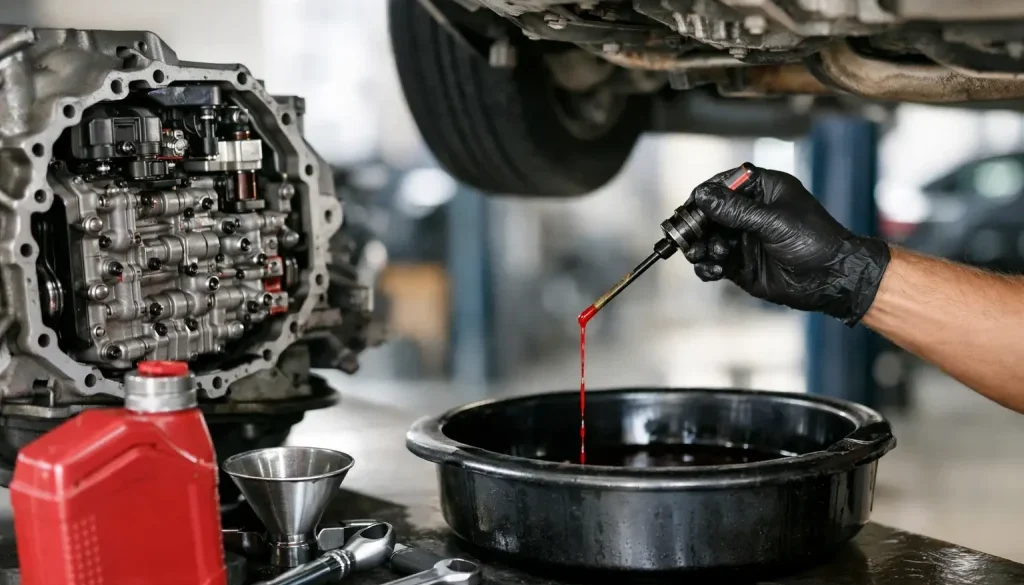
Automatic Transmission Service Guide for Drivers
A transmission problem rarely starts with a dramatic breakdown. More often, it begins with a slightly delayed shift leaving the driveway, a shudder in slow traffic, or a warning light that disappears before you can book it in. This automatic transmission service guide helps Melbourne drivers understand what their gearbox needs, when to seek professional advice, and why early attention can protect the reliability of the vehicle you depend on.
Automatic transmissions manage engine power, gear selection and vehicle movement through a complex combination of fluid pressure, electronic controls, sensors and mechanical components. Modern systems, including DSG, DCT and S-Tronic gearboxes, are highly refined but they are not maintenance-free. They need the right servicing at the right time.
Why automatic transmission servicing matters
Transmission fluid does far more than lubricate moving parts. It helps control hydraulic pressure, carries heat away from internal components and, in many systems, supports the smooth application of clutches. Over time, heat, stop-start driving, towing, hills and normal wear can reduce the fluid’s effectiveness.
When old or contaminated fluid is left in service for too long, shifts may become less consistent and internal components can experience unnecessary wear. A proper service allows a technician to assess the condition of the transmission, replace specified fluids and filters where required, and identify concerns before they grow into a larger repair.
There is no single interval that suits every car. Manufacturer recommendations differ between conventional automatics, continuously variable transmissions (CVTs), torque-converter automatics and dual-clutch gearboxes. Your vehicle’s age, kilometres, driving conditions and service history all matter. A car that regularly travels through heavy eastern-suburbs traffic may place different demands on its transmission than one used mainly for longer freeway trips.
Automatic transmission service guide: what a workshop checks
A professional transmission service is not simply a fluid change. The correct process depends on the gearbox fitted to your vehicle and the manufacturer’s service requirements. Using the wrong specification of fluid, or filling to an incorrect level, can affect shift quality and may cause damage.
Before servicing, a technician may carry out a diagnostic scan to check for stored fault codes and monitor relevant operating data. This can reveal issues with sensors, solenoids, clutch operation, temperature readings or communication between the transmission control unit and other vehicle systems.
The service itself may include replacing transmission fluid, changing a filter where the design allows it, inspecting the sump or pan, checking for leaks, and resetting or adapting service-related information when required. On DSG and other dual-clutch systems, the fluid and filter service procedure is particularly specific. These transmissions rely on carefully controlled fluid levels and electronic calibration to operate as intended.
The workshop should also assess the vehicle’s road behaviour. A scan tool is valuable, but it does not replace an experienced technician noticing a flare between gears, a hesitation when selecting drive, or a vibration under load. Clear communication matters here. You should know what was found, what has been completed and whether any further work is recommended.
Signs your transmission needs attention
A transmission warning light deserves prompt assessment, even if the car still feels normal. Modern vehicles may limit performance or select a protective mode when the system detects a fault. Continuing to drive without a diagnosis can turn a manageable issue into a more involved repair.
Other symptoms can be subtle at first. Pay attention if your vehicle has a delay moving into drive or reverse, harsh or jerky changes, slipping or revving between gears, shuddering during acceleration, unusual noises, burning smells or transmission fluid leaks. A change in fuel use or a persistent vibration can also be worth investigating, particularly when it occurs at a specific speed or during a gear change.
These symptoms do not always point to a failed gearbox. Engine performance concerns, worn mounts, driveline components, electrical faults and software issues can sometimes feel like a transmission problem. That is why accurate diagnostics should come before major repair decisions.
If the vehicle loses drive, displays a serious warning message, makes loud mechanical noises or leaks fluid heavily, avoid driving it further where practical. Arrange professional advice rather than risking additional damage.
DSG, DCT and S-Tronic gearboxes need specialist care
Dual-clutch transmissions are common in many European vehicles and are also used across other makes. Instead of using a traditional torque converter arrangement, a DCT or DSG system uses two clutches to prepare the next gear selection. This design can provide quick, efficient changes, but it also introduces specialised service and diagnostic needs.
A DSG concern may involve the clutch packs, mechatronic unit, internal sensors, hydraulic control, fluid condition or software adaptation. The mechatronic unit is a critical assembly that combines electronic and hydraulic controls. Because several systems can create similar symptoms, replacing parts based on guesswork is not a sensible approach.
Professional diagnosis helps distinguish between a routine service requirement, an adaptation issue and a component fault. For owners of DSG, DCT and S-Tronic vehicles, working with technicians familiar with these systems provides confidence that the vehicle is being assessed according to the gearbox’s design and service requirements.
Driving habits that affect transmission condition
No driving style can remove the need for maintenance, but a few habits can reduce unnecessary strain. Allow the vehicle to come to a complete stop before selecting reverse or drive. Avoid using the accelerator to hold the car on a hill, as this can create excess heat in some transmission and clutch systems. Use the parking brake when parked on an incline rather than relying solely on the transmission’s park position.
Heat is one of the main enemies of automatic transmissions. Long periods in crawling traffic, repeated short trips, carrying heavy loads and towing can all increase operating temperatures. If your vehicle is used this way, it may benefit from closer attention than the standard schedule suggests. The right approach depends on the manufacturer’s guidance and the vehicle’s actual use.
It is also wise to mention any changes in behaviour during a regular service. A technician can record the concern, check for fault codes and look for early signs of wear before the symptom becomes constant. Waiting until a transmission fails to select a gear can limit the available repair options.
Choosing the right time to book
The best time to book transmission servicing is before there is a problem. Check your vehicle handbook and service records for the recommended interval, then make sure the transmission is included in your maintenance plan rather than assumed to be covered by an engine service.
If you have recently bought a used car with incomplete history, a professional inspection can help establish a sensible baseline. This is especially useful for vehicles with DSG or other dual-clutch transmissions, where missed scheduled servicing can be significant. A thorough assessment provides practical information without making assumptions about what has or has not been done.
For drivers in Ringwood and Melbourne’s eastern suburbs, Ringwood Auto Tech provides specialist automatic transmission diagnostics, servicing and repair support alongside general vehicle care. Our team treats each car as though it were our own, explaining the findings clearly so you can make an informed decision about the next step.
A smooth-shifting vehicle is easy to take for granted, which is exactly why transmission care belongs in your regular maintenance routine. If your car feels different, or its service history is unclear, a timely professional check can offer valuable peace of mind before a small concern interrupts your week.


Can Low Fluid Damage a DSG? Warning Signs - Ringwood Auto Tech
September 1, 2026 @ 6:32 pm
[…] professional DSG service is designed to avoid those risks. It includes the correct fluid and filter requirements for the […]
Automatic Gearbox Slipping Symptoms to Watch For - Ringwood Auto Tech
September 3, 2026 @ 6:32 pm
[…] Transmission fluid is a common starting point. In conventional automatics, fluid that is low, old or contaminated can reduce lubrication and affect hydraulic operation. Many modern transmissions also require a specific fluid and service procedure. Using the wrong fluid or overlooking a required filter change can create problems rather than prevent them. […]
DSG vs Torque Converter – Which Is Right for You? - Ringwood Auto Tech
September 5, 2026 @ 6:32 pm
[…] either transmission, it is wise to follow the manufacturer’s service requirements and take account of real-world use. Frequent short trips, heavy traffic, towing, steep roads and […]
9 Best Transmission Warning Signs to Act On - Ringwood Auto Tech
September 7, 2026 @ 6:32 pm
[…] banging into gear, surging between shifts or an unexpected downshift can indicate an issue with transmission fluid condition, sensors, solenoids, adaptation settings or the mechatronic unit. In DSG and dual-clutch vehicles, […]
DSG Servicing Versus Replacement Explained - Ringwood Auto Tech
September 9, 2026 @ 12:32 pm
[…] inspecting the transmission system and, where specified for that gearbox, replacing the correct transmission fluid and filter. The workshop also checks for leaks, fault codes, shift quality and any signs that the transmission […]
Transmission Overheating Causes and Warning Signs - Ringwood Auto Tech
September 17, 2026 @ 2:02 pm
[…] so using the wrong specification can affect shift quality, clutch operation and heat control. A scheduled transmission service using the correct fluid and filter, where applicable, is preventative maintenance rather than an […]